Both materials are used for milk cans. Here is how they compare on weight, cleaning, durability and cost.
Dairy farms and cooperatives mostly choose between two materials for milk cans: stainless steel and aluminium. Both do the job, but they suit different budgets and handling conditions.
Aluminium milk cans
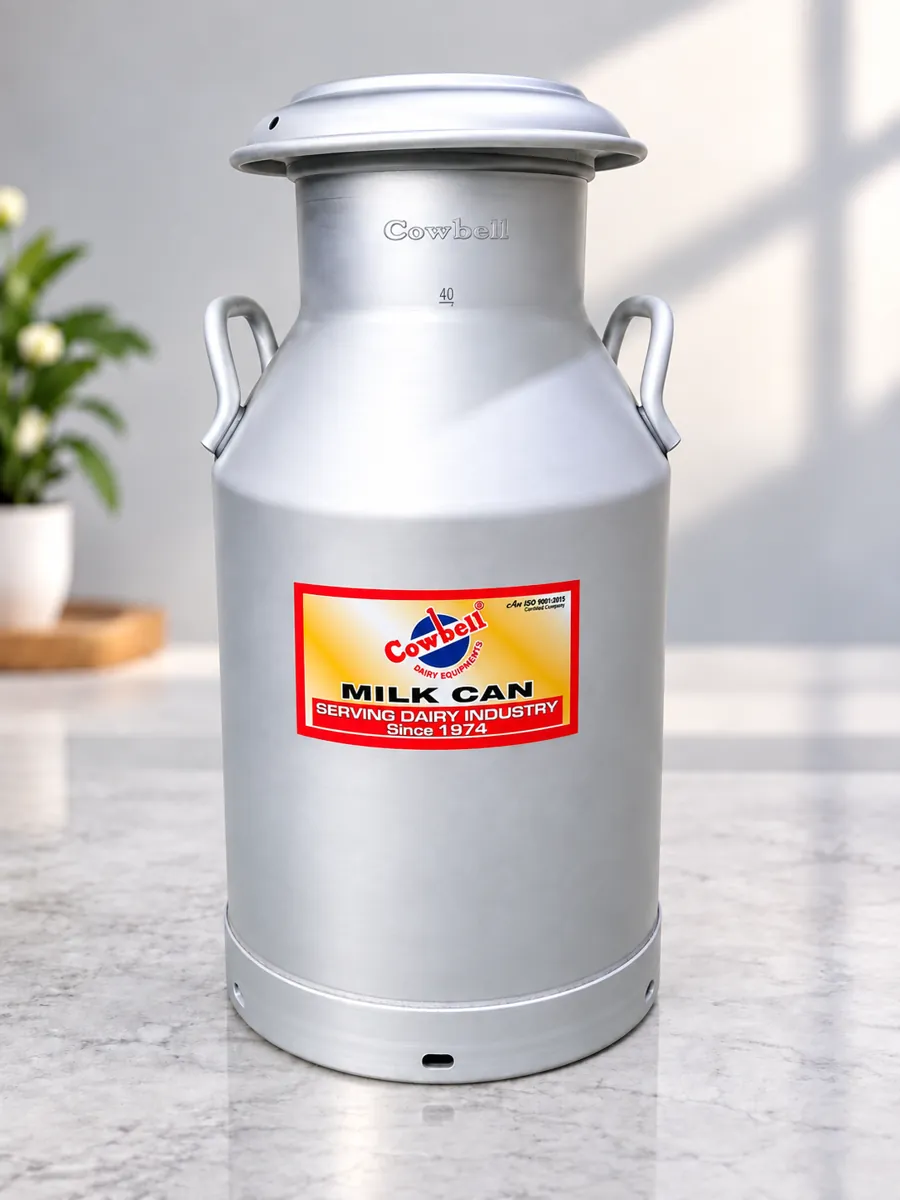
- Lighter: easier to lift and load, helpful for long manual collection routes.
- Lower price: a good option when you need many cans.
- Care needed: softer metal that can dent, and it reacts with strong cleaning chemicals.
Stainless steel milk cans
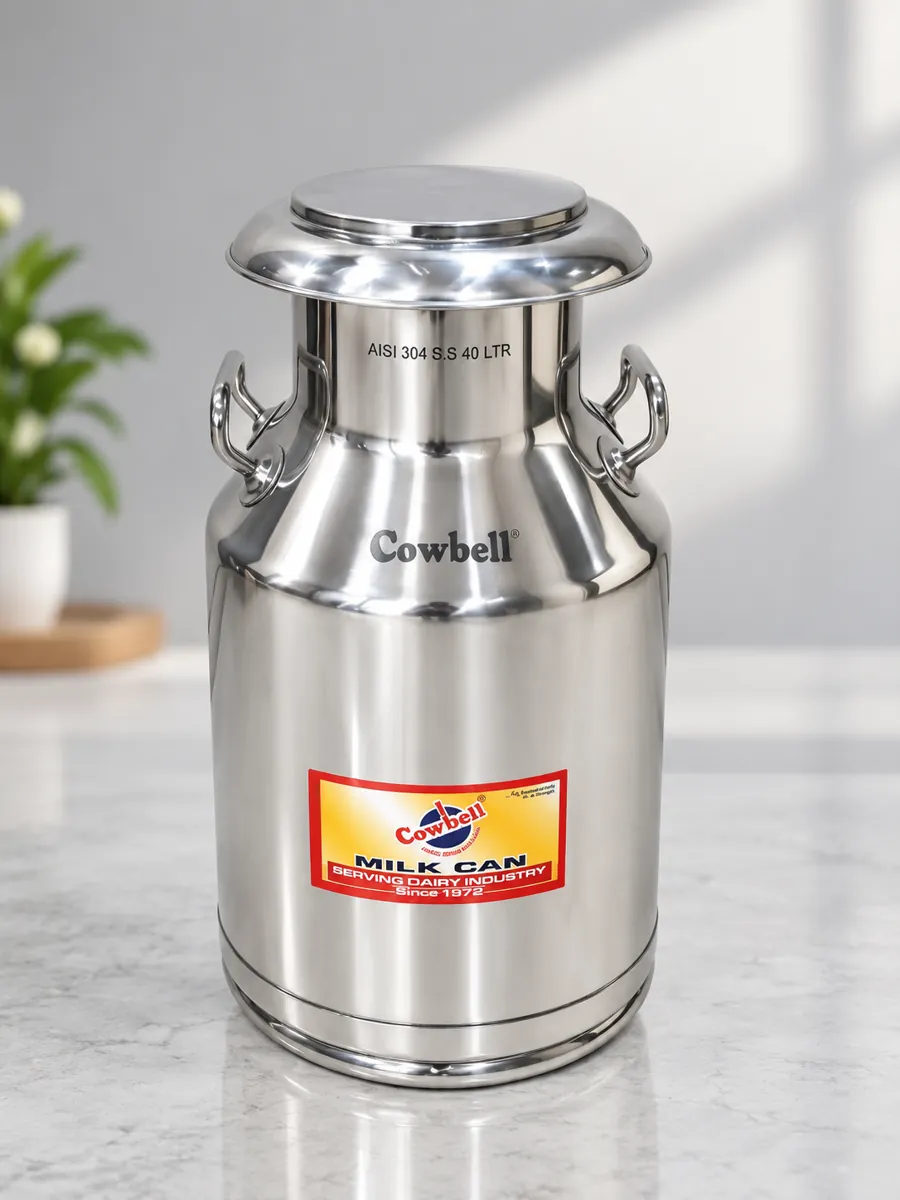
- Hygiene: a hard, non-porous surface that is easy to clean thoroughly.
- Durability: resists dents, rust and rough daily use for many years.
- Higher upfront cost, but a lower cost over its working life.
How to decide
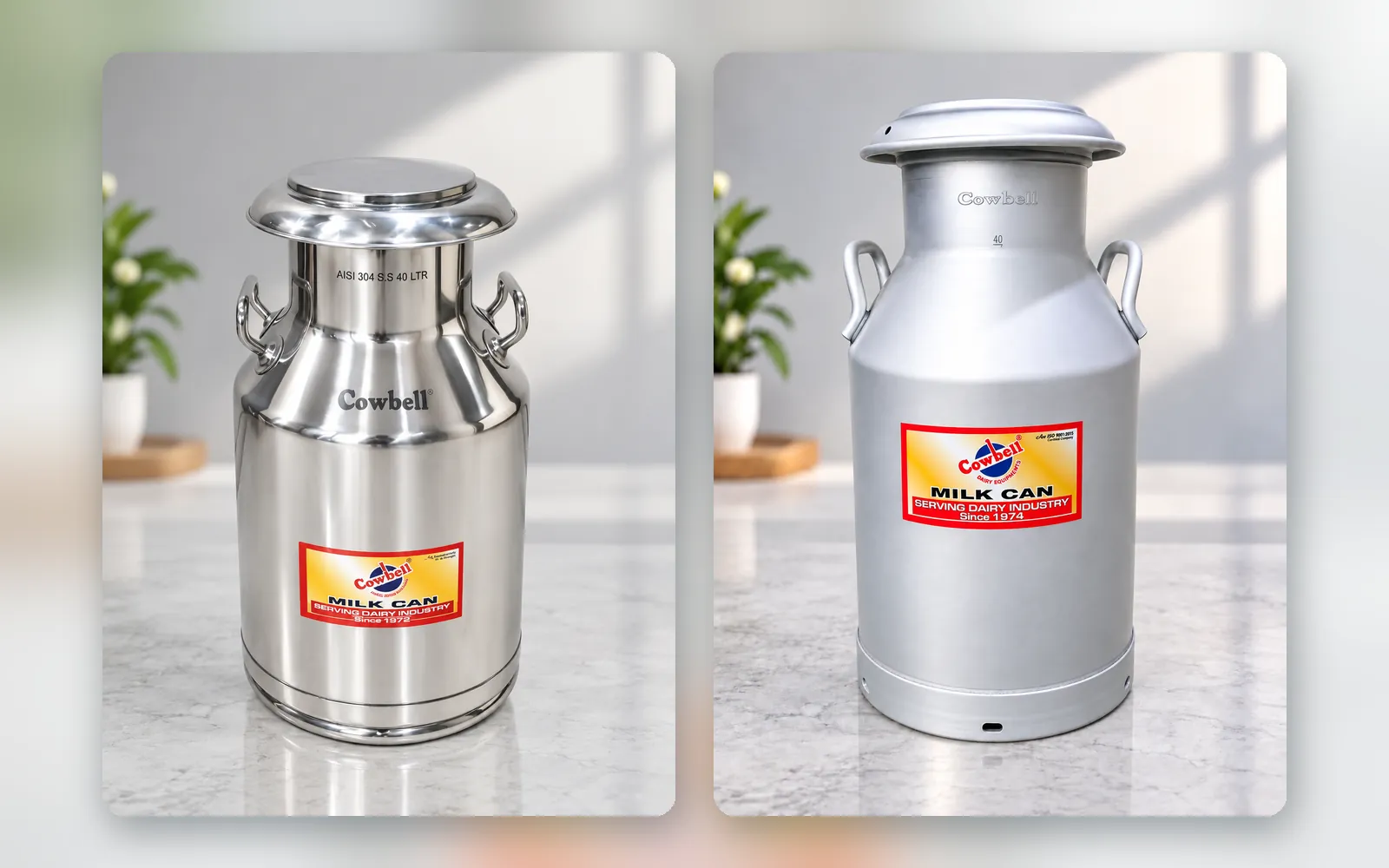
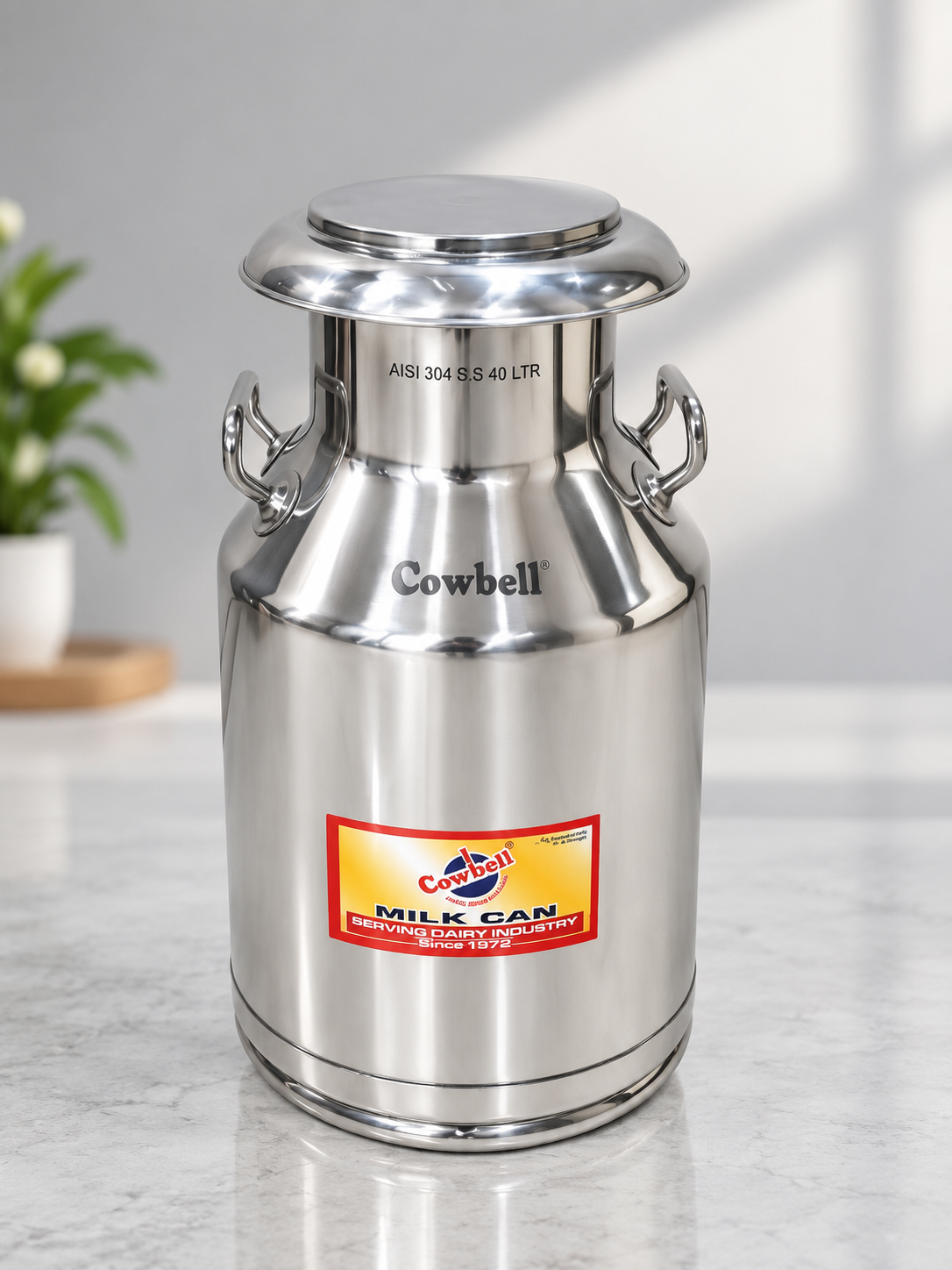
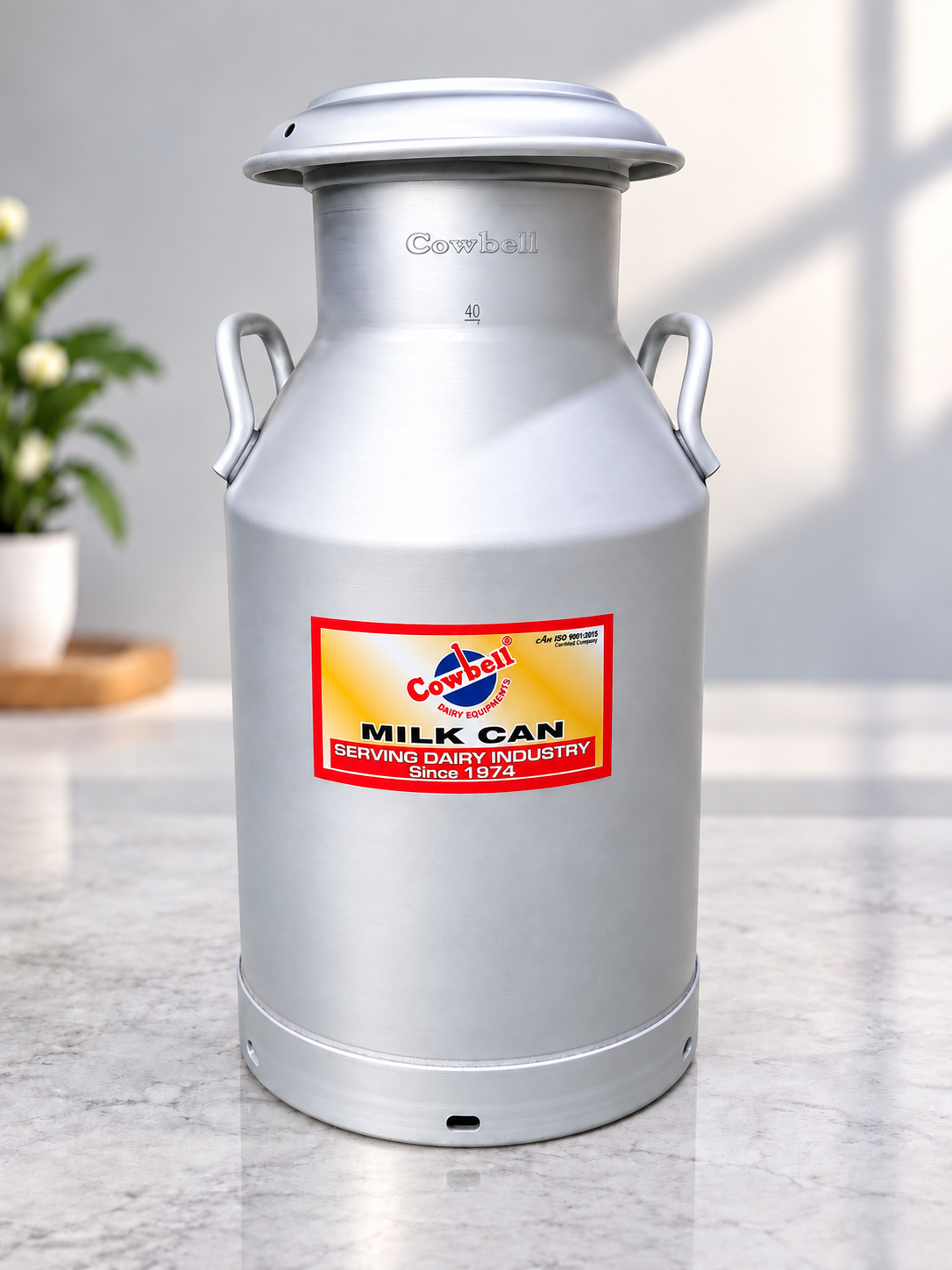
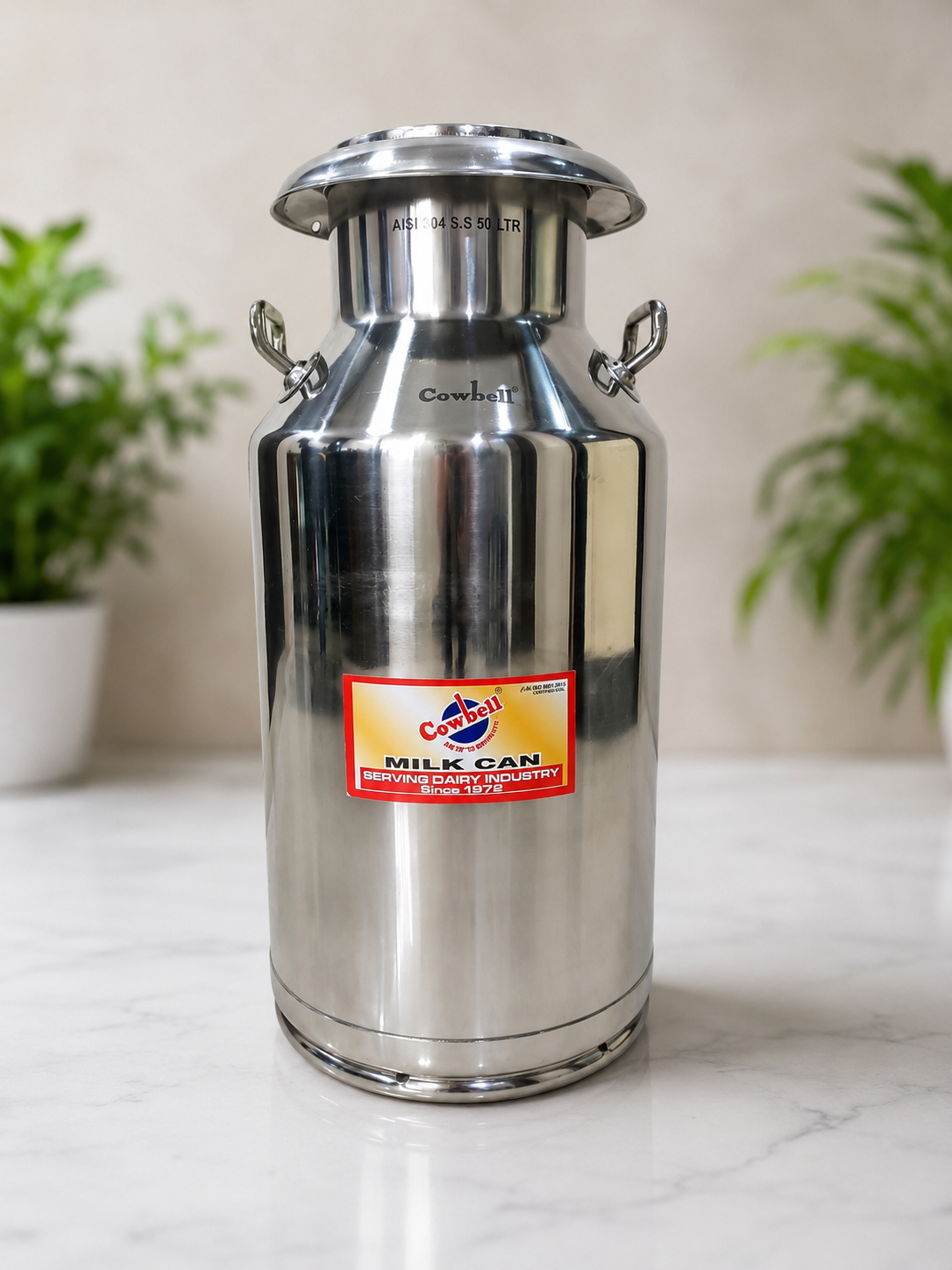
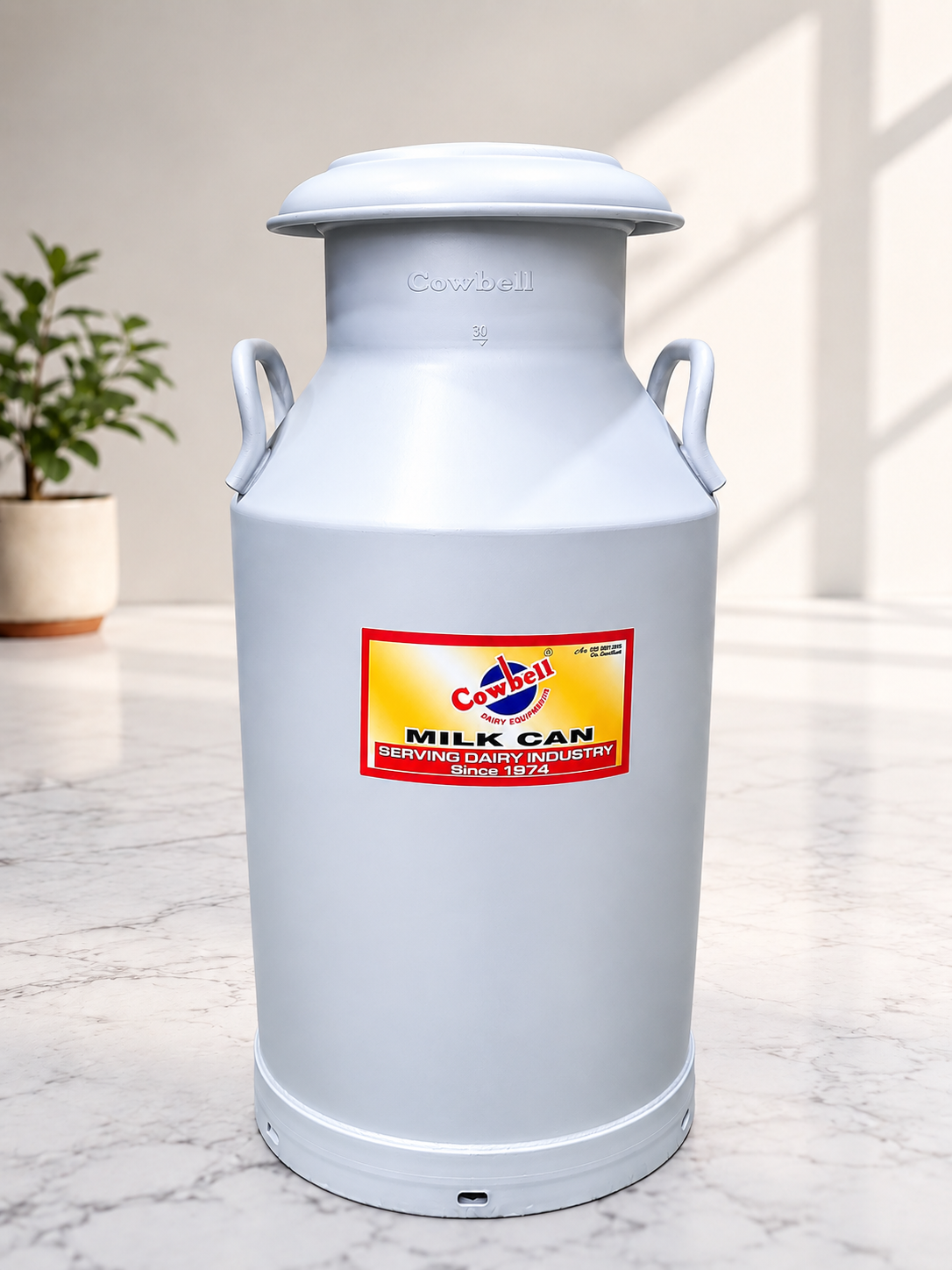
Choose aluminium if you need a large number of lightweight cans on a tight budget. Choose stainless steel if you want long life, a premium finish and the easiest cleaning. See both options for yourself: the 40 LTR stainless steel can and the 40 LTR aluminium can.
Frequently asked questions
Are aluminium milk cans safe?
Food-grade aluminium cans are widely used in dairy collection. Avoid harsh alkaline or acid cleaners that attack aluminium, and replace cans with deep dents or damaged interiors.
Which lasts longer?
With normal care, stainless steel generally lasts longer and keeps its finish, while aluminium can dent and wear faster under rough handling.
Related products
Need a quote or advice?
Tell us your capacity and requirements. Our team will reply with specifications and pricing.