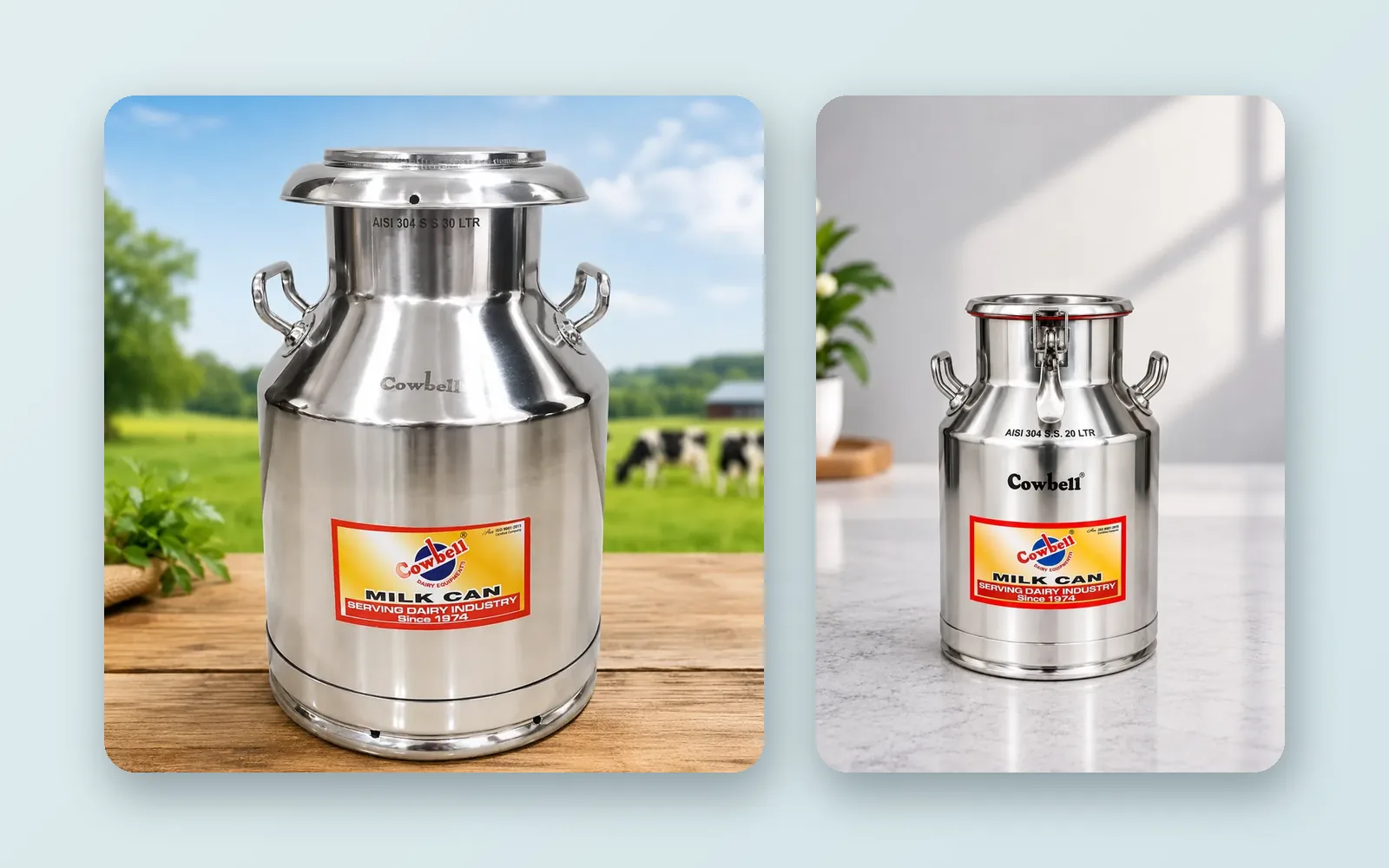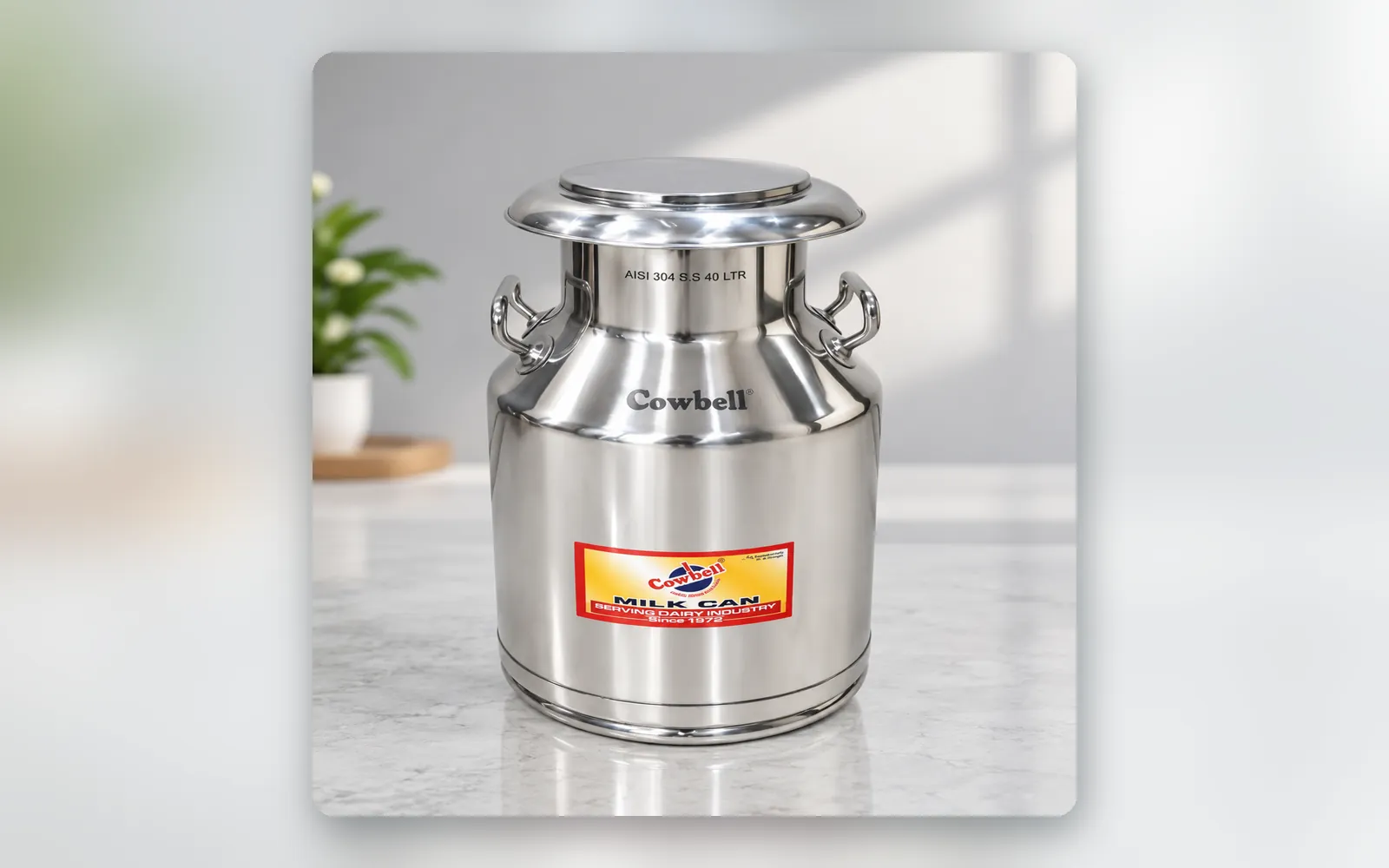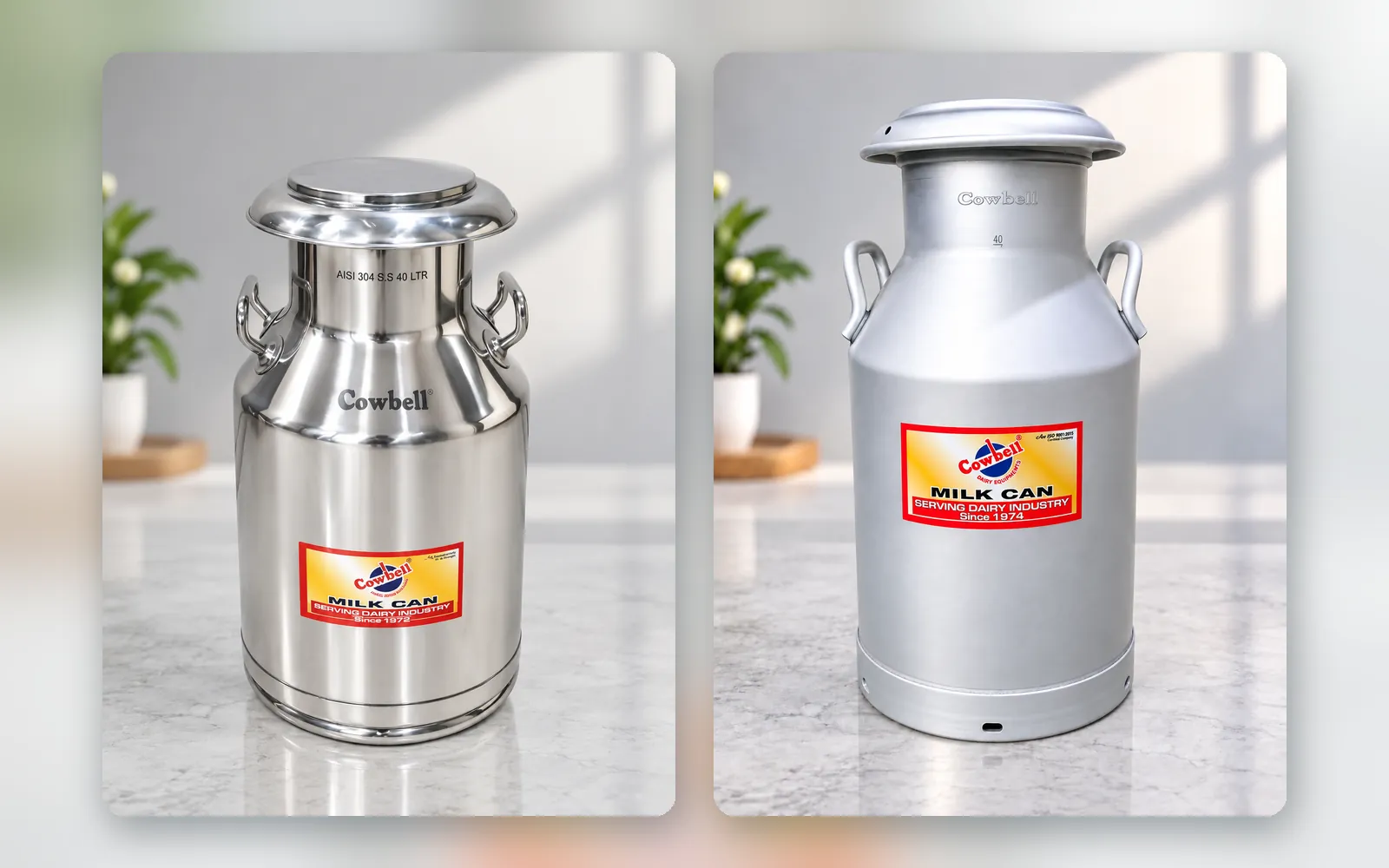

How to Choose the Right Milk Can Size (5L to 50L)
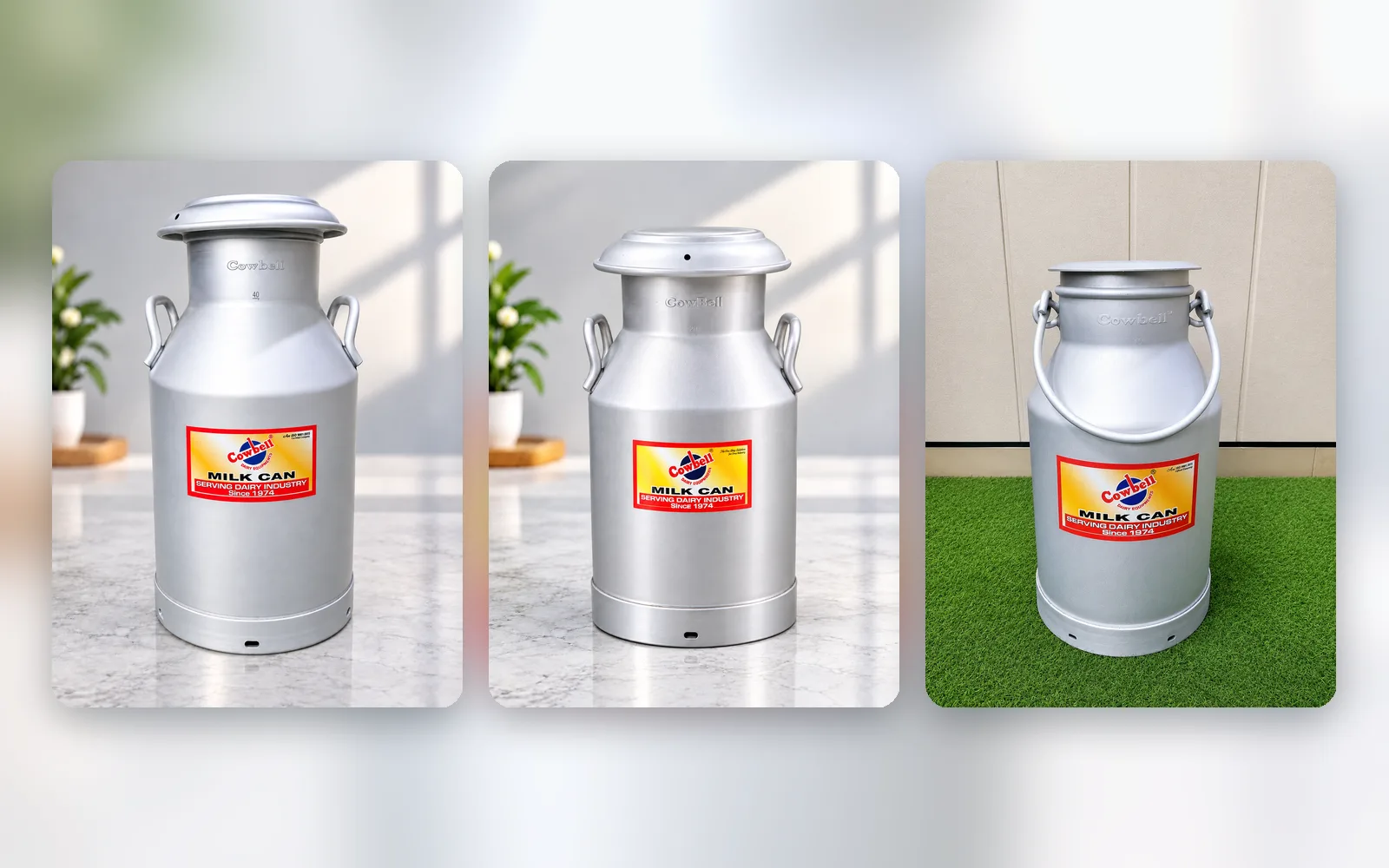
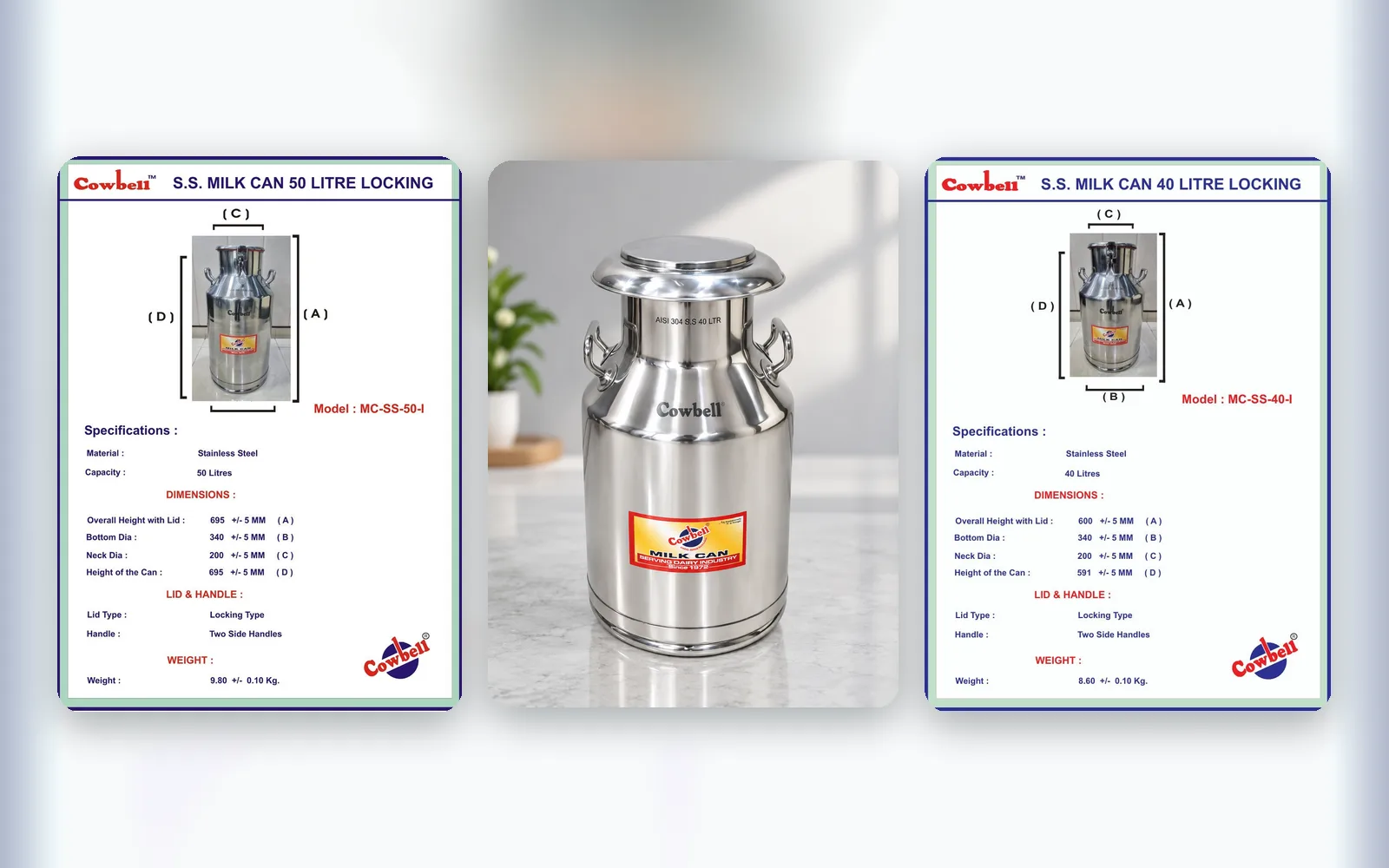
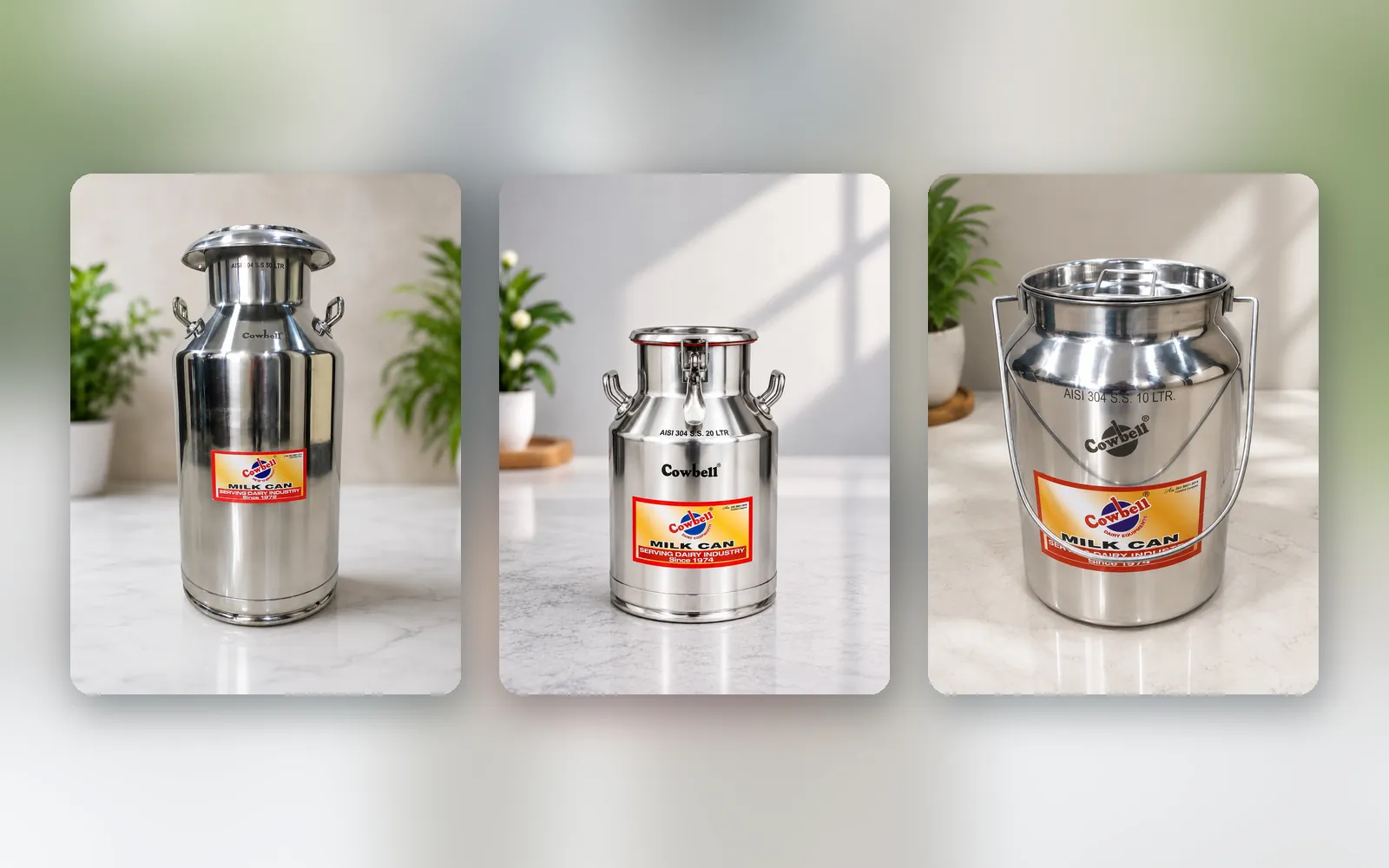
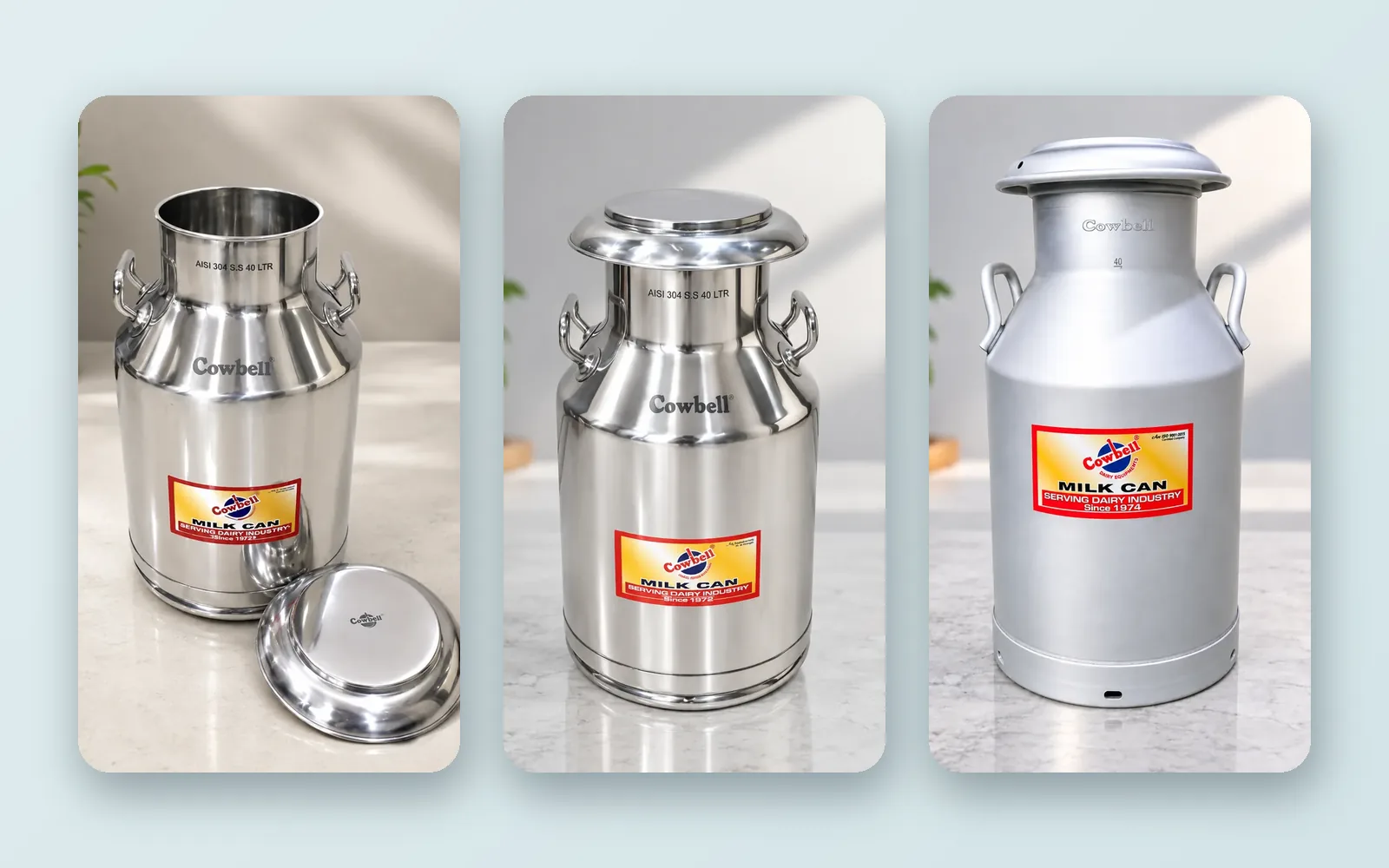
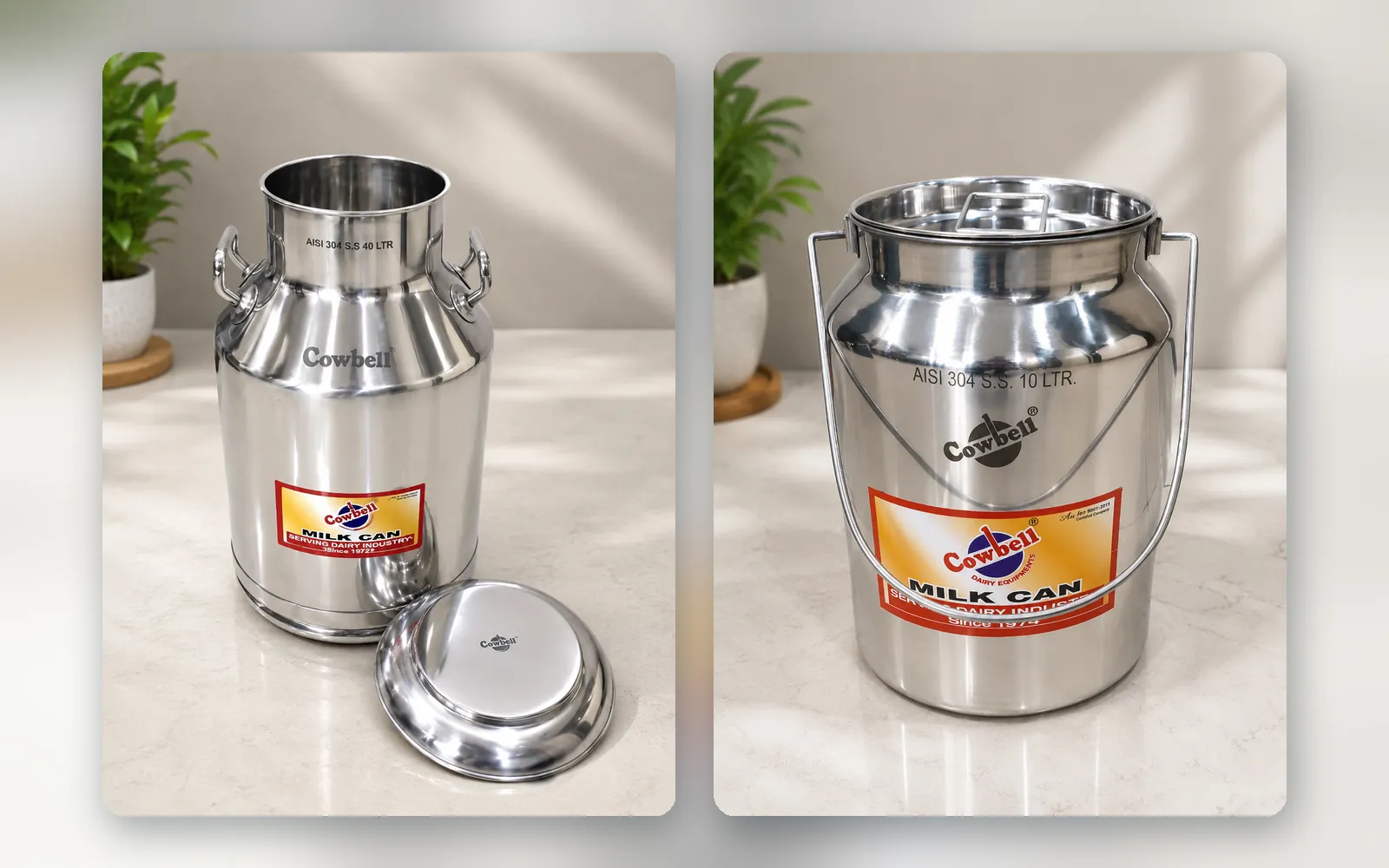
A quick guide to matching milk can capacity, from 5L to 50L, to your herd size, collection route and how you carry milk.
Read articleInsights
Practical advice on milk cans, cream separators, stainless steel and exporting dairy equipment, from a manufacturer trusted since 1954.
A quick guide to matching milk can capacity, from 5L to 50L, to your herd size, collection route and how you carry milk.
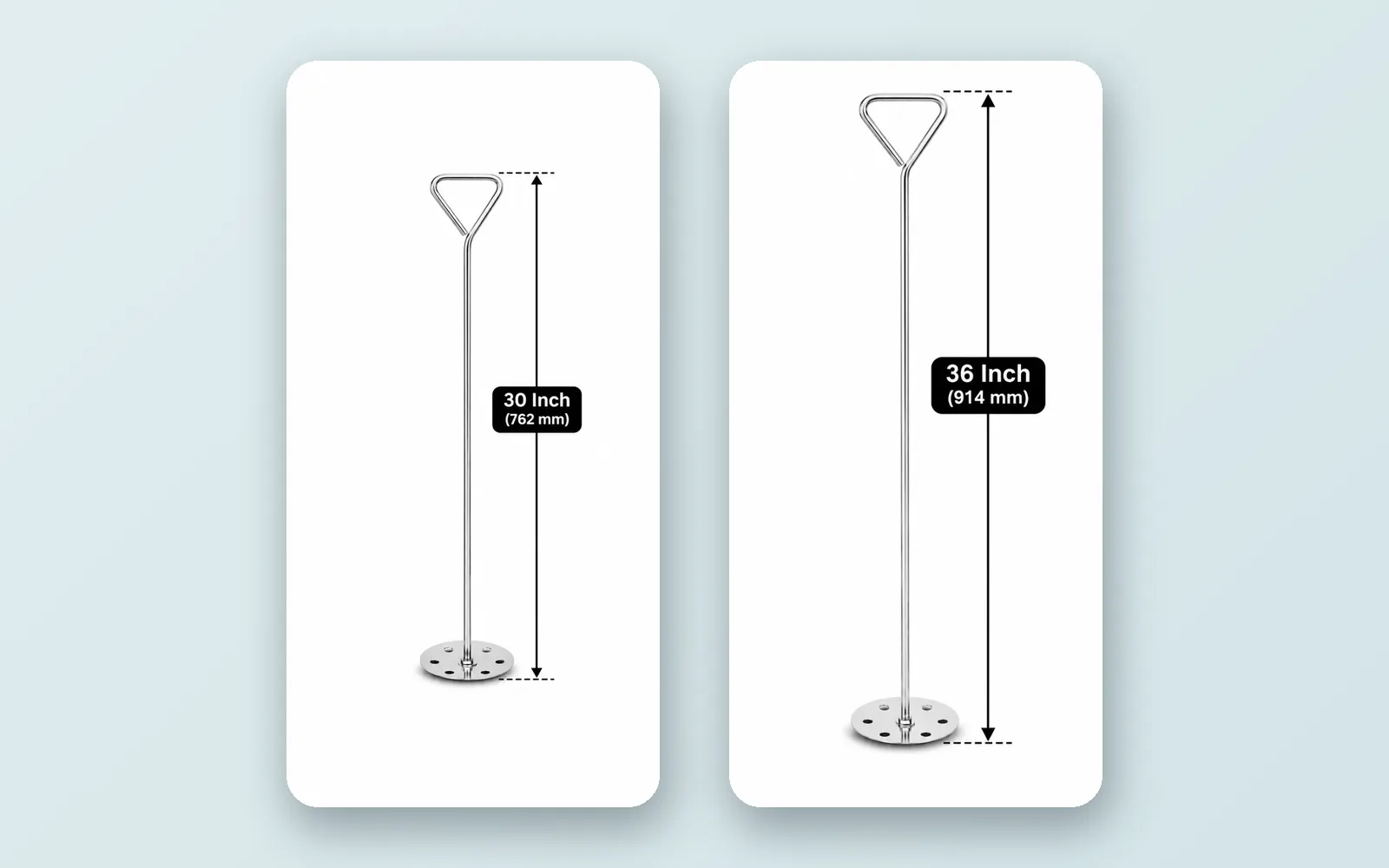
Read articleCream rises in a standing can, so a sample taken without mixing gives a wrong fat reading. A milk can plunger fixes that in seconds.
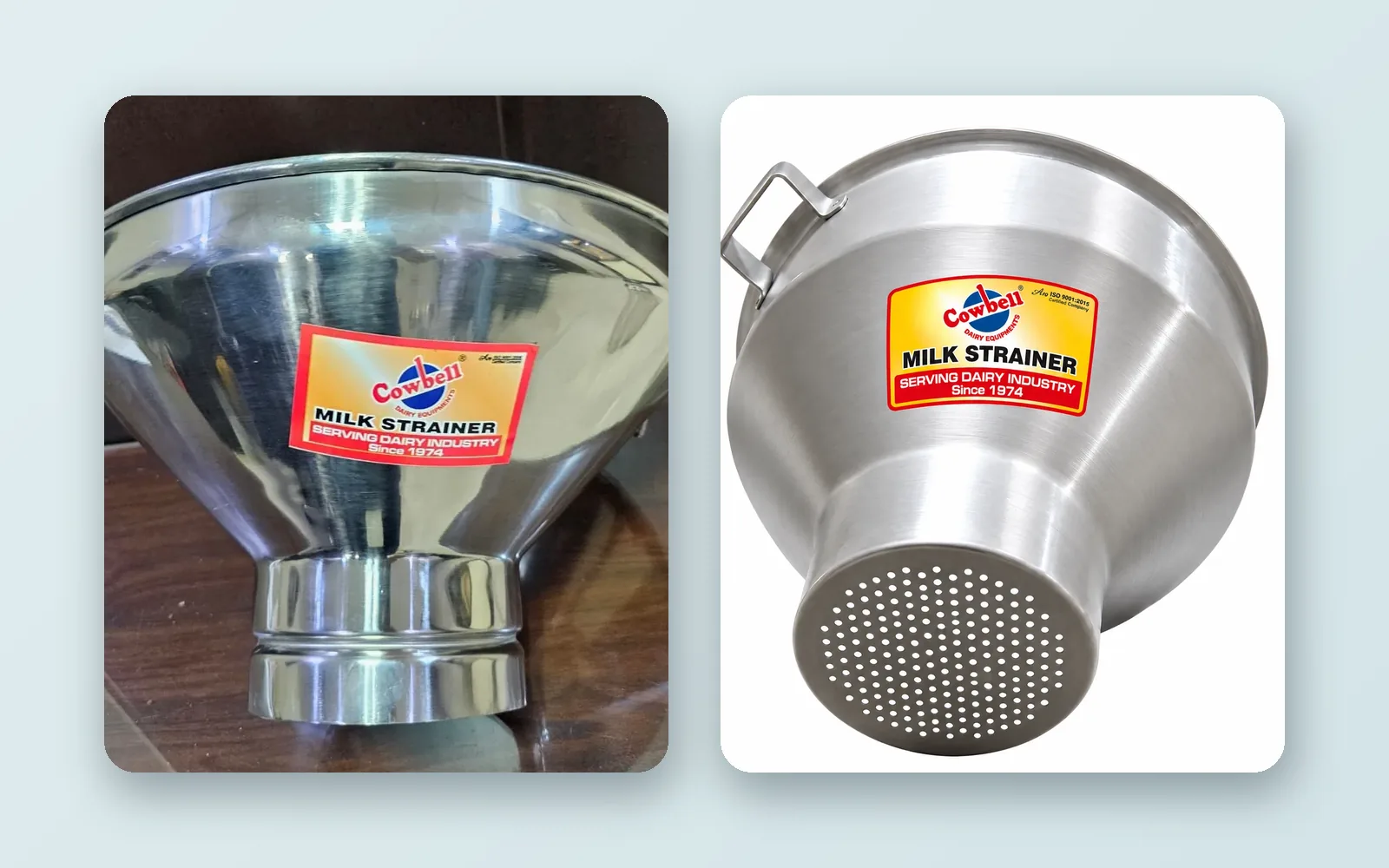
Read articleA strainer is the first filter between the farm and the dairy. Here is how to choose the right material, size and sieve for your milk can or collection point.
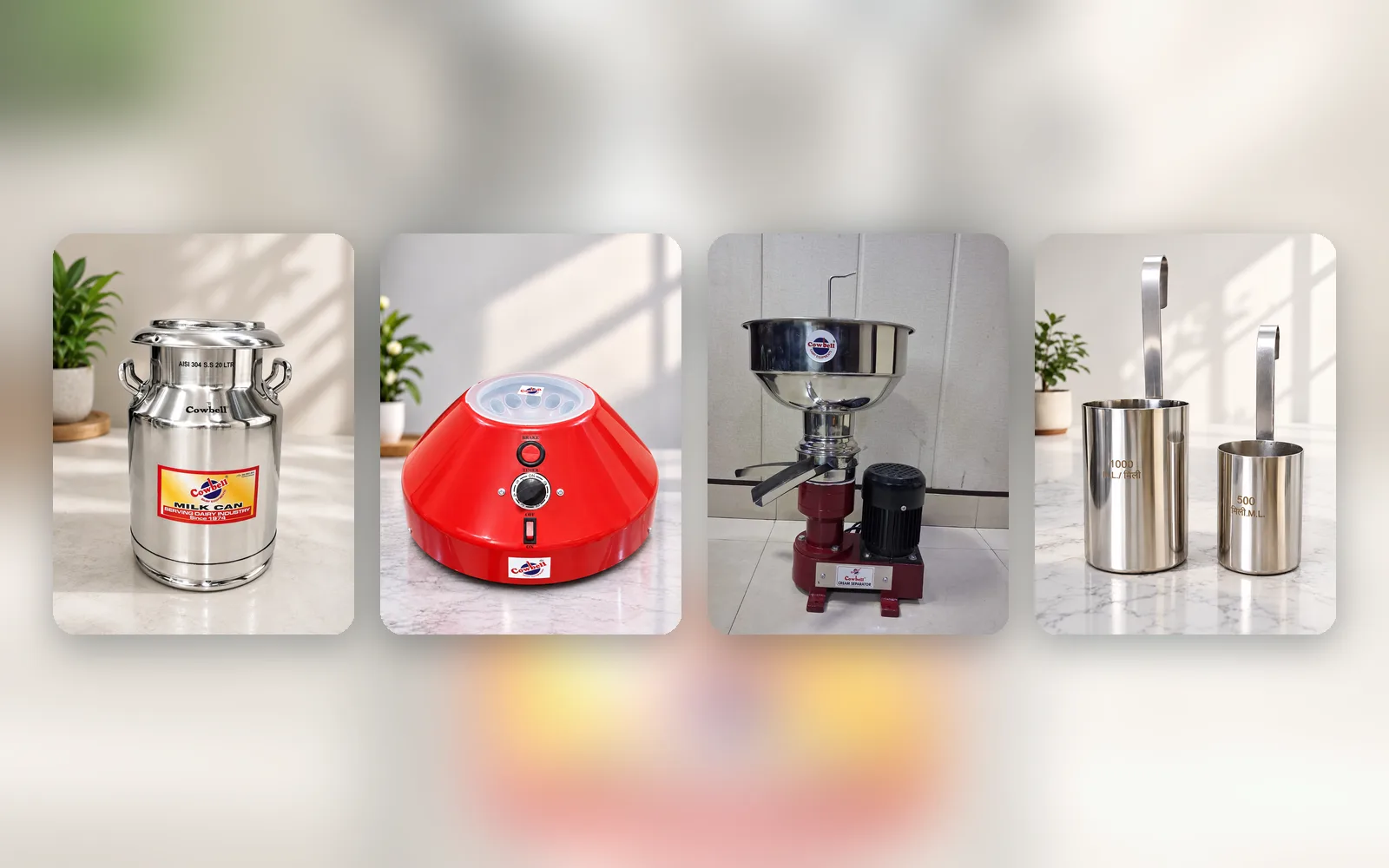
Read articleSetting up a milk collection point? Here is a simple checklist of the equipment you need, from cans and measures to a Gerber centrifuge and cream separator.
Read articleWhat does NDDB design mean on an aluminium milk can? We explain wall thickness, the mushroom lid, handles and the sizes Cowbell offers.
Read articleTwo cans can look alike and perform very differently. Use this checklist to compare any milk can with a Cowbell can before you spend your money.
Read articleA lock on the lid keeps milk safe on rough roads and long routes. Here is when a lockable Cowbell can is worth it and when a normal lid is enough.
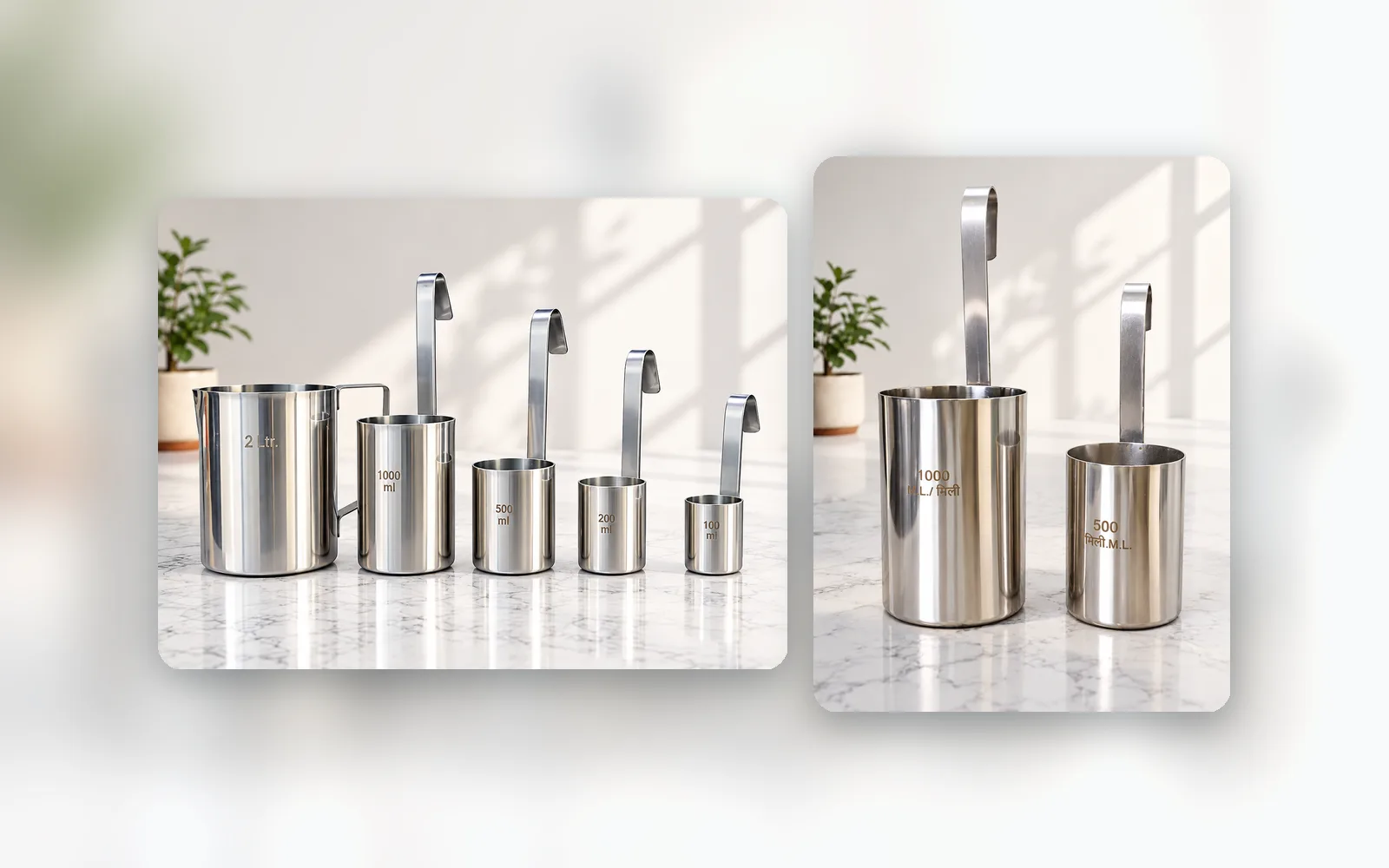
Read articleAccurate measures mean fair payment for every farmer. Learn which sizes you need and what to look for in a stainless steel milk measure.
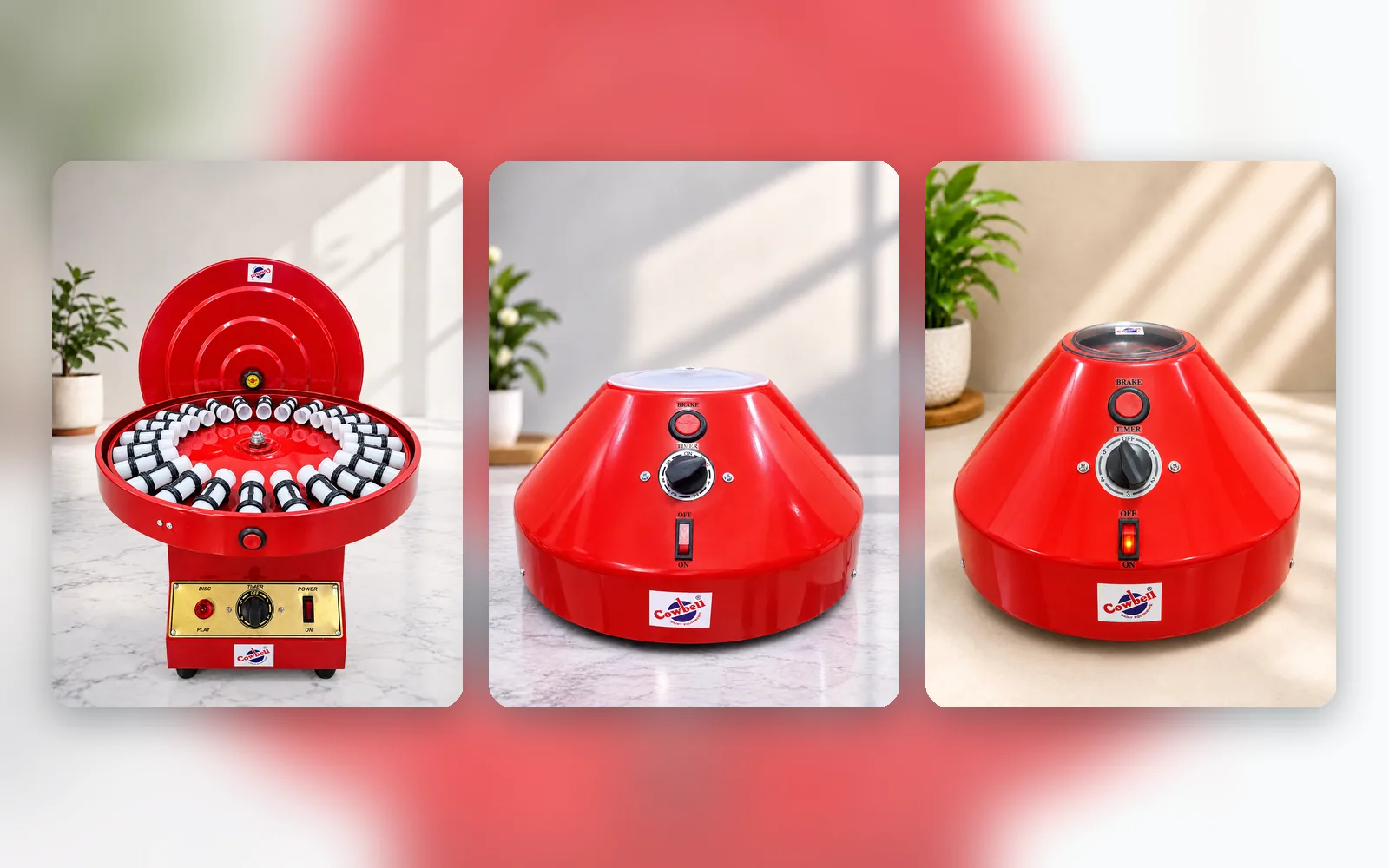
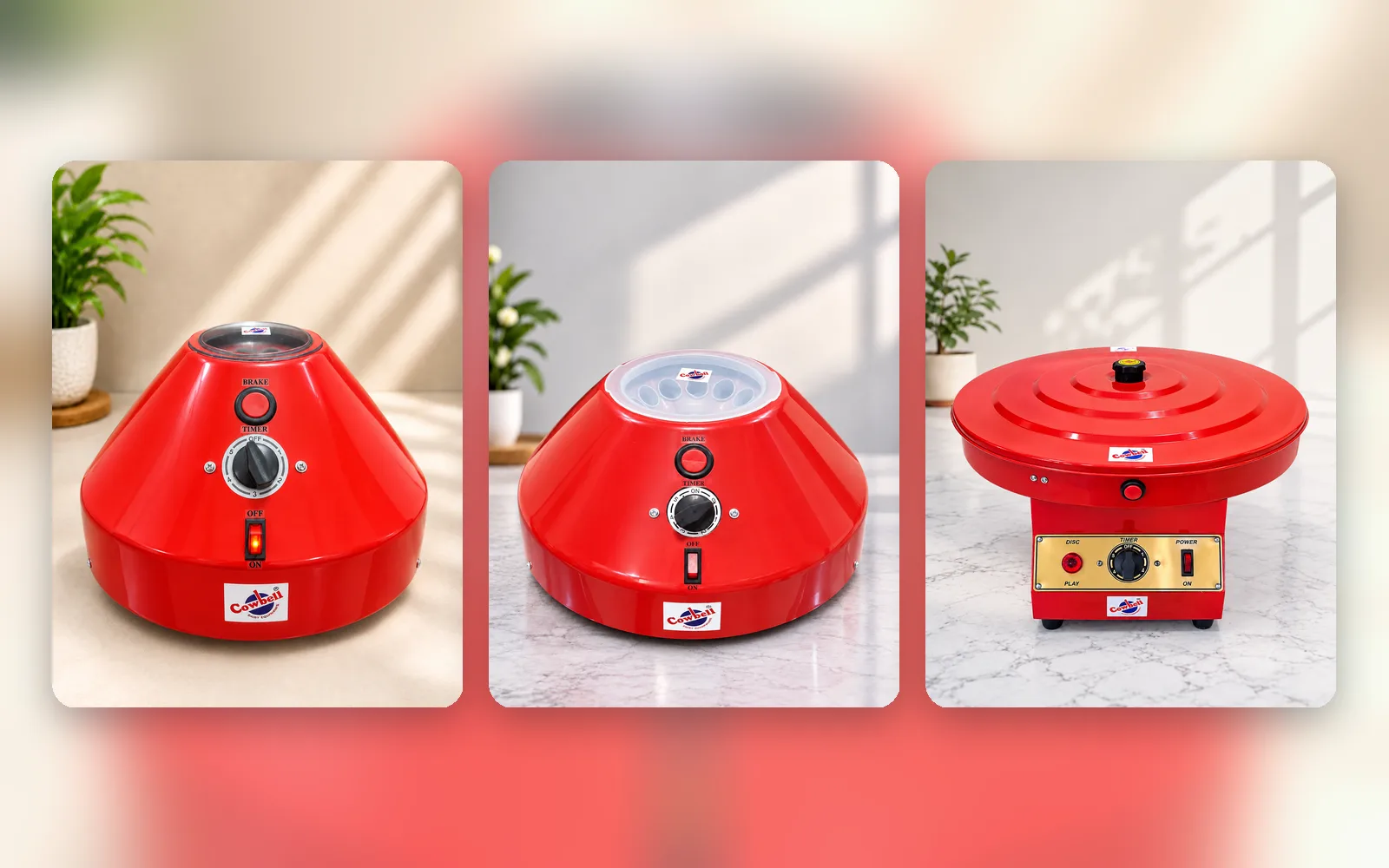
Read articleMatch the number of tubes to the samples you test each day. A short guide to the Cowbell 8, 12 and 24 test Gerber centrifuges, and what to check before you buy.
Read articleThe Gerber method is the everyday way dairies measure fat in milk. Here is the routine, the safety points and how a good centrifuge makes the result reliable.
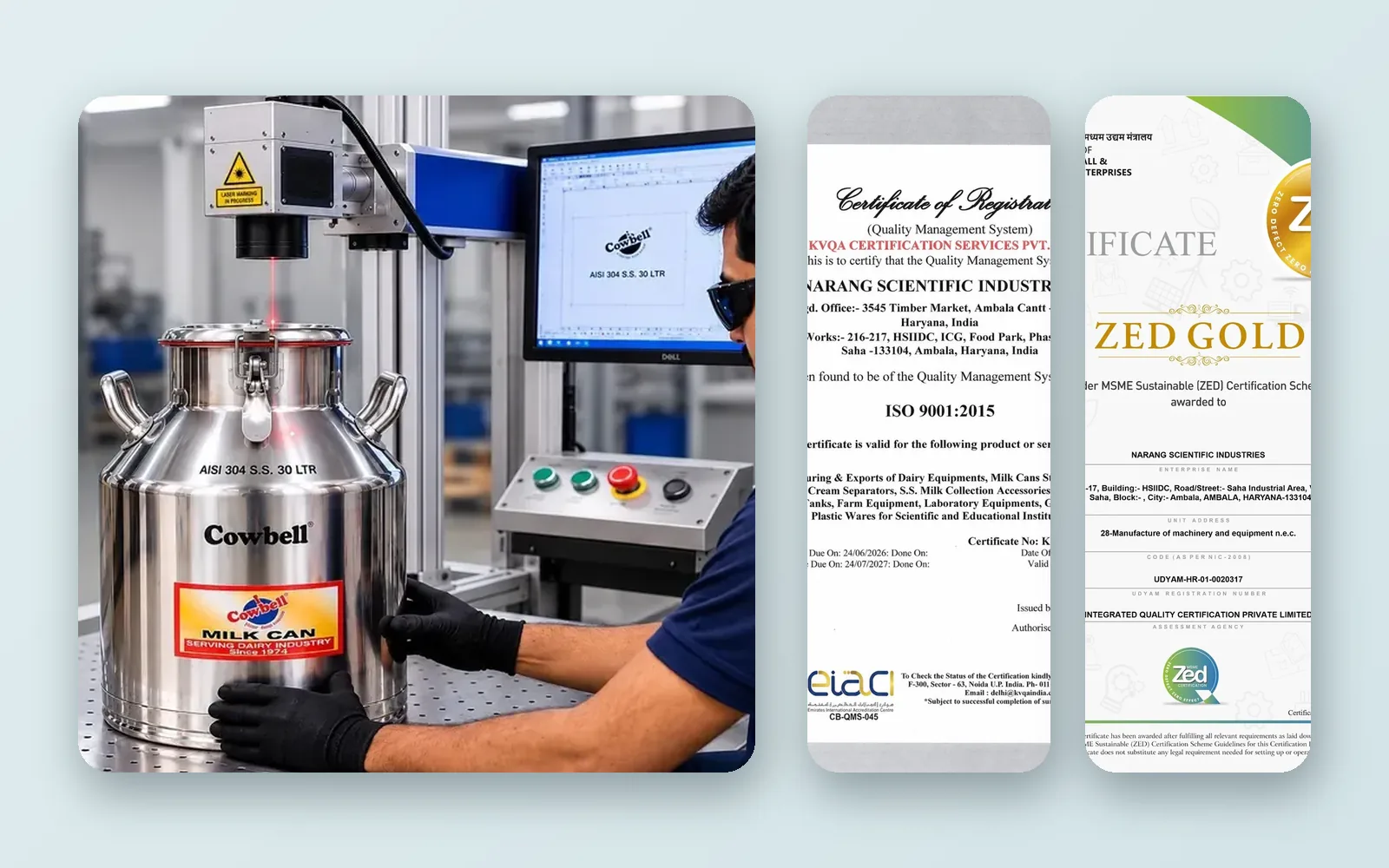
Read articleFrom Ambala, Haryana, to dairies in more than 42 countries: a short look at who we are and how we work.
Read articleWhat international buyers can expect when ordering stainless steel dairy equipment from Ambala, India.
Read articleTime, temperature and clean containers decide milk quality. Here is how to protect all three.
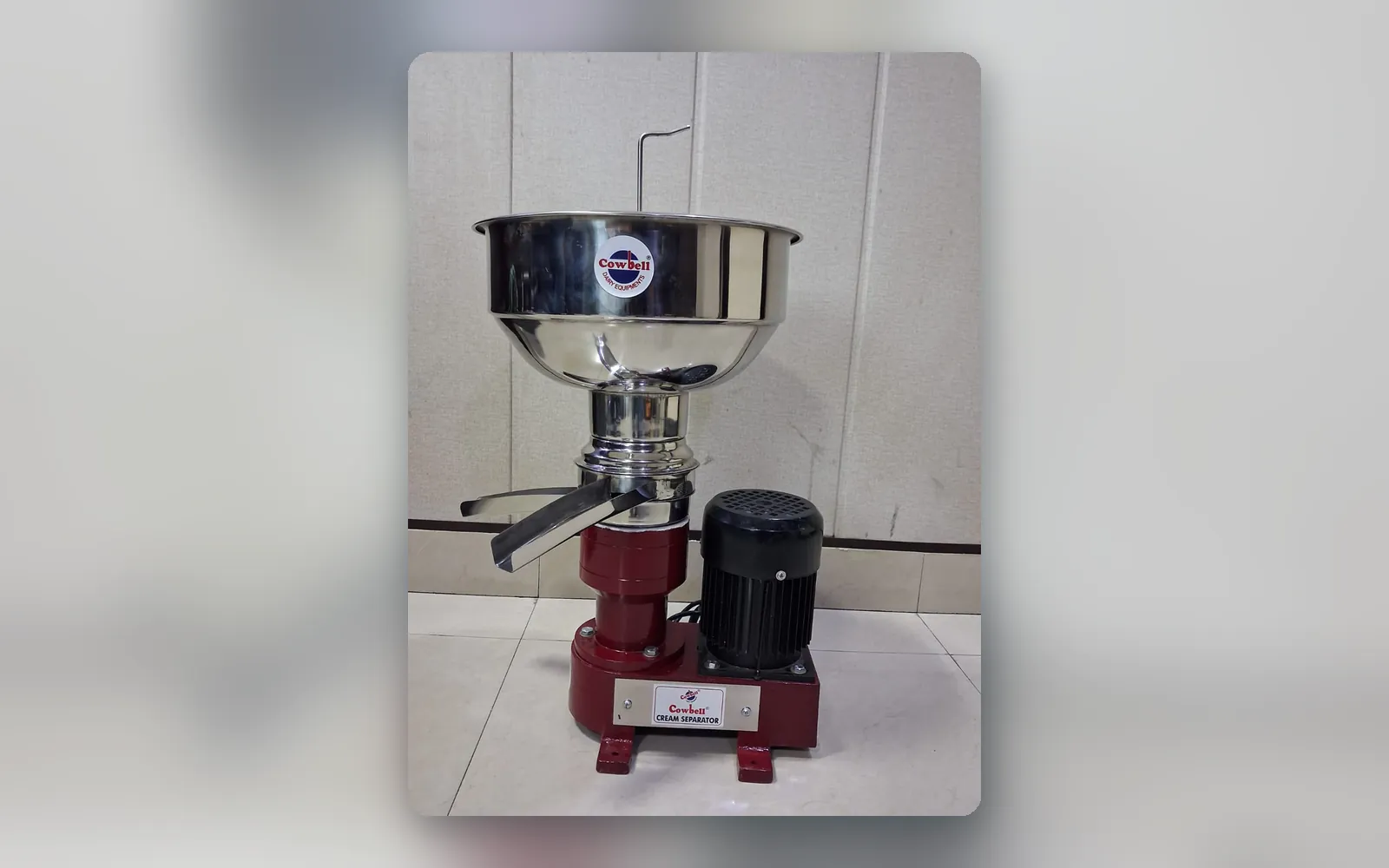
Read articleCleaning and storage habits that keep your cream separator working well and your cream tasting fresh.
Read articleA damaged can can spoil milk long before it looks worn out. These six signs tell you when to repair, retire or replace a milk can.
Read articleA practical cleaning routine that keeps milk safe and helps your milk cans last for years.
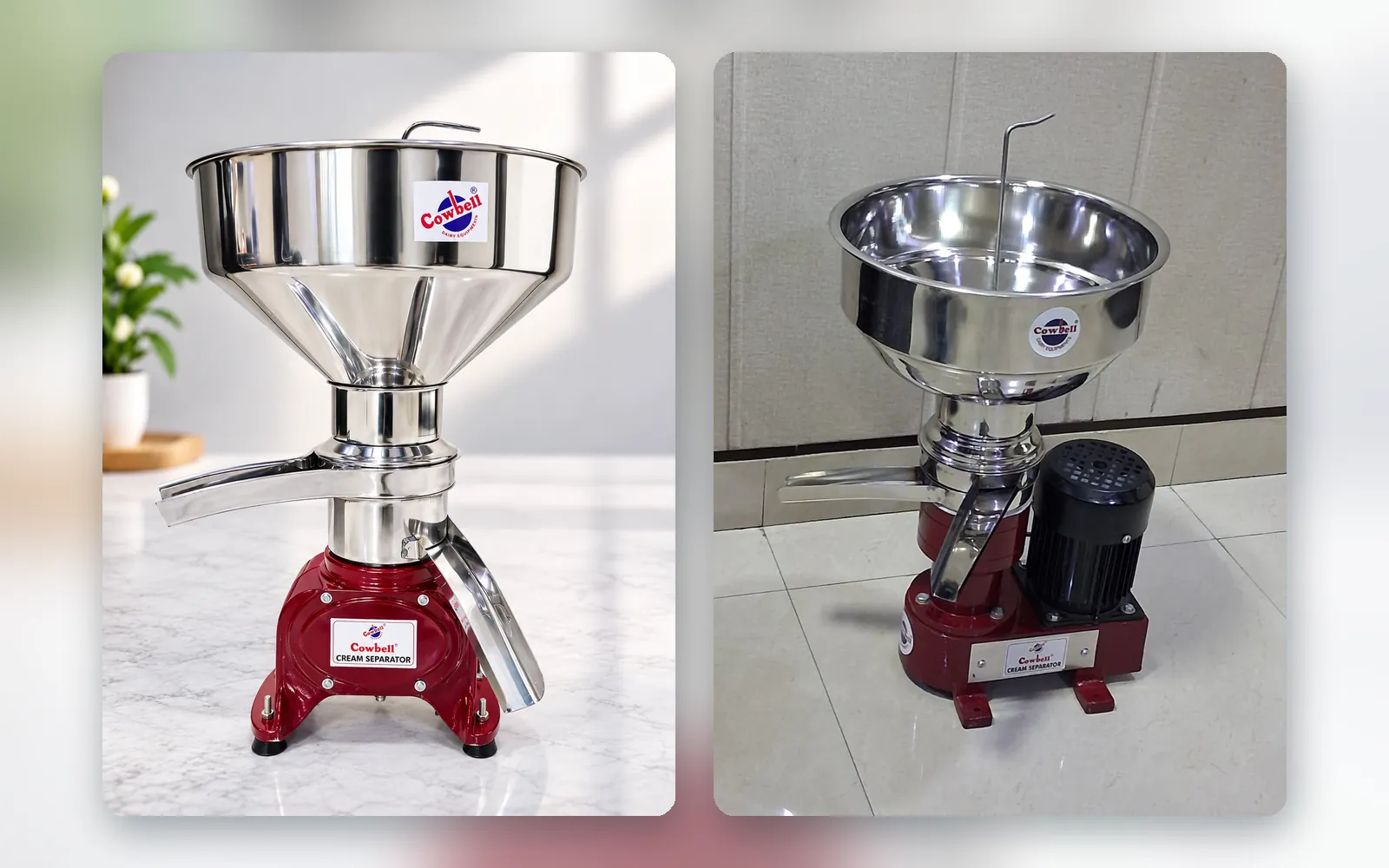
Read articleLow cream yield, vibration, noise or leaks? Most cream separator problems have simple causes. Check these points before you call for service.
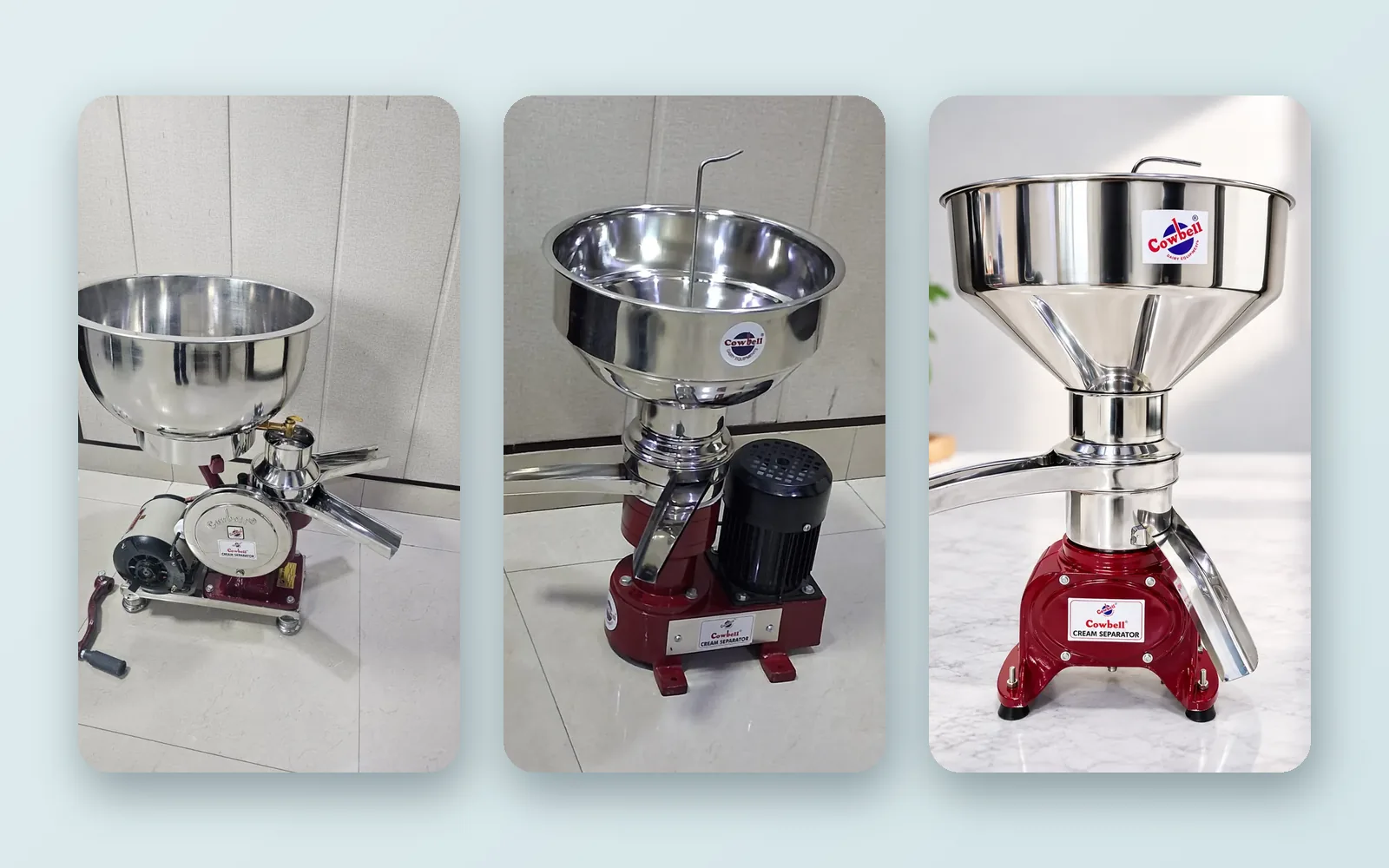
Read articleLPH ratings explained, with a simple way to pick the right cream separator size for your milk volume.
Read articleRough roads, heat and heavy loads damage cans and spoil milk. These practical tips keep your cans safe from the farm gate to the dairy.
Read articleA simple comparison of manual and electric cream separators to help you choose for your home, farm or dairy.
Read articleBuying from an overseas manufacturer is simple when you know what to ask. Use this checklist of documents, terms and questions before you place an order.
Read articleWhat SS 304 means, why it suits milk-contact equipment, and what to check before you buy.
Read articleBoth materials are used for milk cans. Here is how they compare on weight, cleaning, durability and cost.
Read articleNo articles found.