A damaged can can spoil milk long before it looks worn out. These six signs tell you when to repair, retire or replace a milk can.
Milk cans work hard: they are filled, carried, loaded onto vehicles, washed and left in the sun every day. Even a good can wears out. Knowing when to retire one protects both your milk and your money.
1. Dents at seams, neck or base
A dent in the flat body is mostly cosmetic. A dent near a seam, the neck, the lid seat or the base can open a tiny gap where milk collects and bacteria grow, and it can stop the lid from sealing.
2. Cracks or leaks
If you see milk weeping from a seam, a rivet or a handle joint, the can is no longer safe for transport. Stop using it. Leaks waste milk and let air and dirt in.
3. A lid that does not close tightly
A bent lid or a worn lid seat lets milk splash out and dirt in. On long routes, consider a lockable can so the lid stays shut. Read our lockable vs normal lid guide.
4. Pitting, stains or rough patches inside
The inside of a can should be smooth and bright. Pits, rough areas and dark stains are hard to clean and can trap residue. On aluminium cans, dark patches often come from harsh alkaline cleaners, so use a mild, food-safe detergent.
5. A sour smell that will not go away
If a can still smells sour after a full wash and sun-drying, residue is stuck in scratches or seams. Retire it rather than risk spoiling good milk. Follow our daily cleaning routine first to be sure the cleaning is the problem.
6. Loose or damaged handles
Handles carry the full weight of a filled can. If a handle wobbles or a weld shows cracks, the can can drop and injure someone. Replace it.
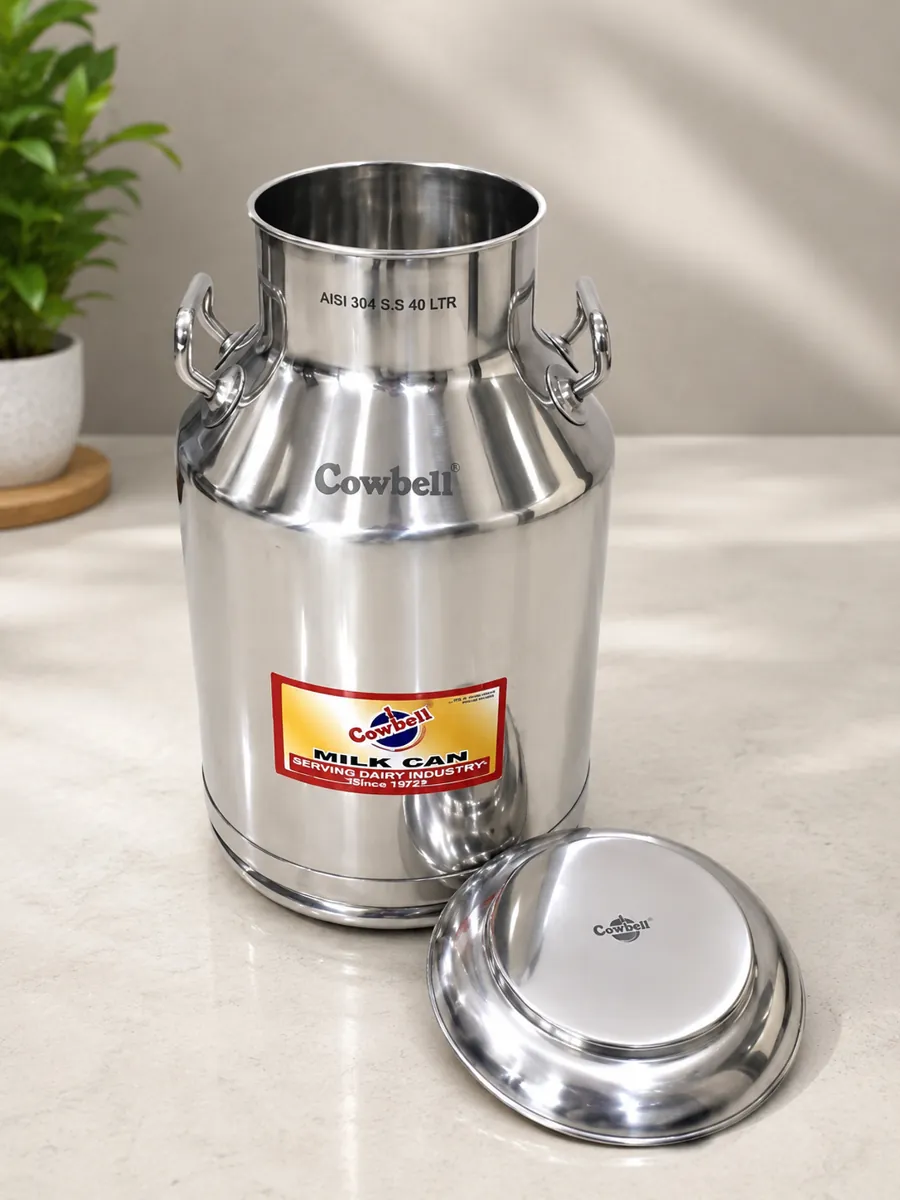
Replacement checklist
- Choose the same capacity as the can you are replacing, or check our size guide.
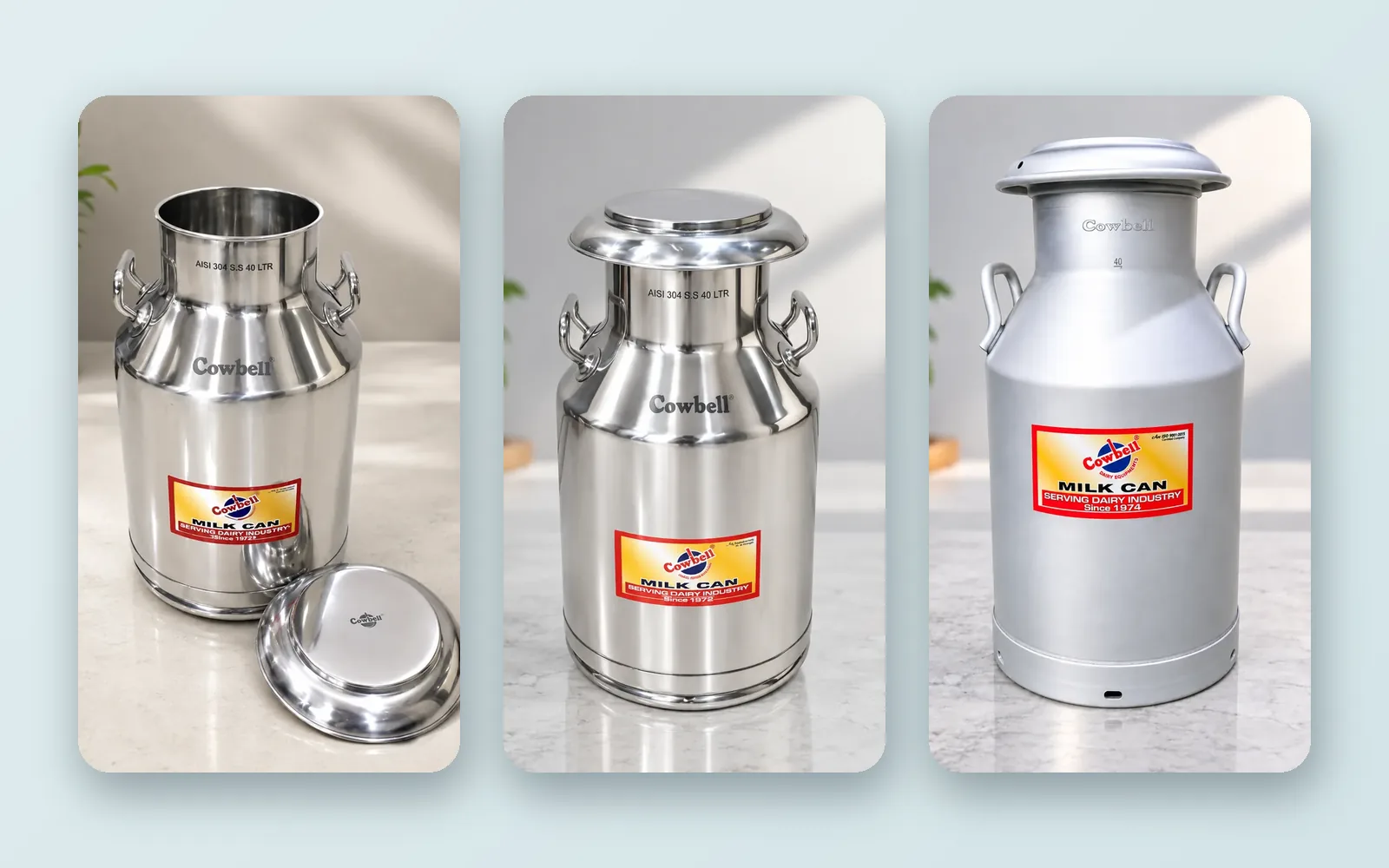
- Compare stainless steel and aluminium for your budget and handling.
- Look for SS 304 steel and clean, even welds.
Need to replace a batch? Send us your sizes and quantity on WhatsApp and we will prepare a quote.
Frequently asked questions
How long does a milk can last?
It depends on the material, how roughly the can is handled and how it is cleaned. Well-made stainless steel cans, cleaned properly and handled with care, usually outlast cheaper cans by a long way.
Can a dented can be repaired?
Small cosmetic dents in the body are usually harmless. Dents at seams, the neck, the lid seat or the base should be checked, and a can that leaks or will not seal should be retired.
Related products
Need a quote or advice?
Tell us your capacity and requirements. Our team will reply with specifications and pricing.