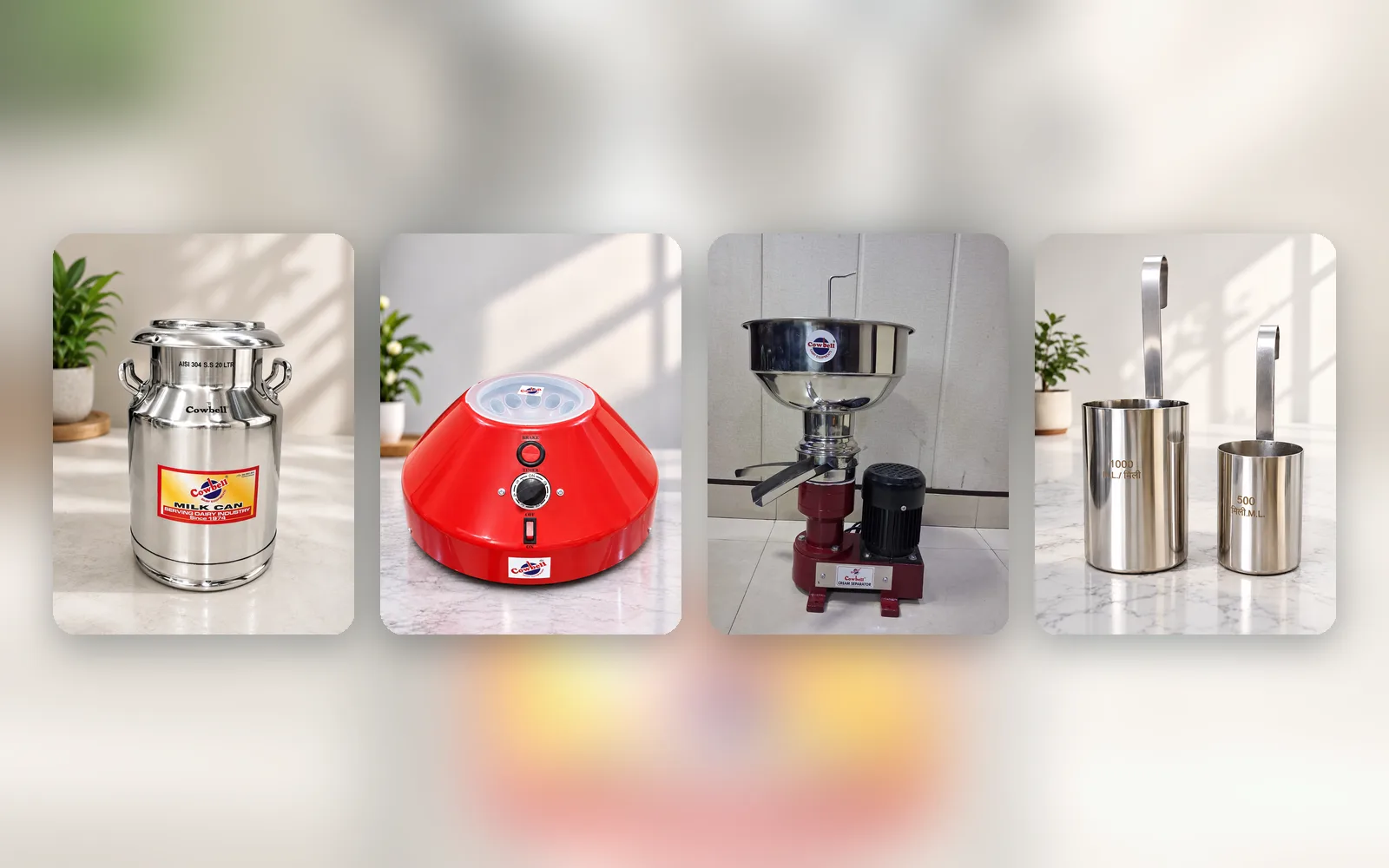
Cream rises in a standing can, so a sample taken without mixing gives a wrong fat reading. A milk can plunger fixes that in seconds.
Milk is not a uniform liquid. Left to stand, the fat rises and forms a creamy layer on top while the milk below becomes thinner. If you draw a sample from the top, the fat test reads too high; from the bottom, too low. Either way the farmer is paid the wrong price. A milk can plunger prevents this.
What a milk can plunger does
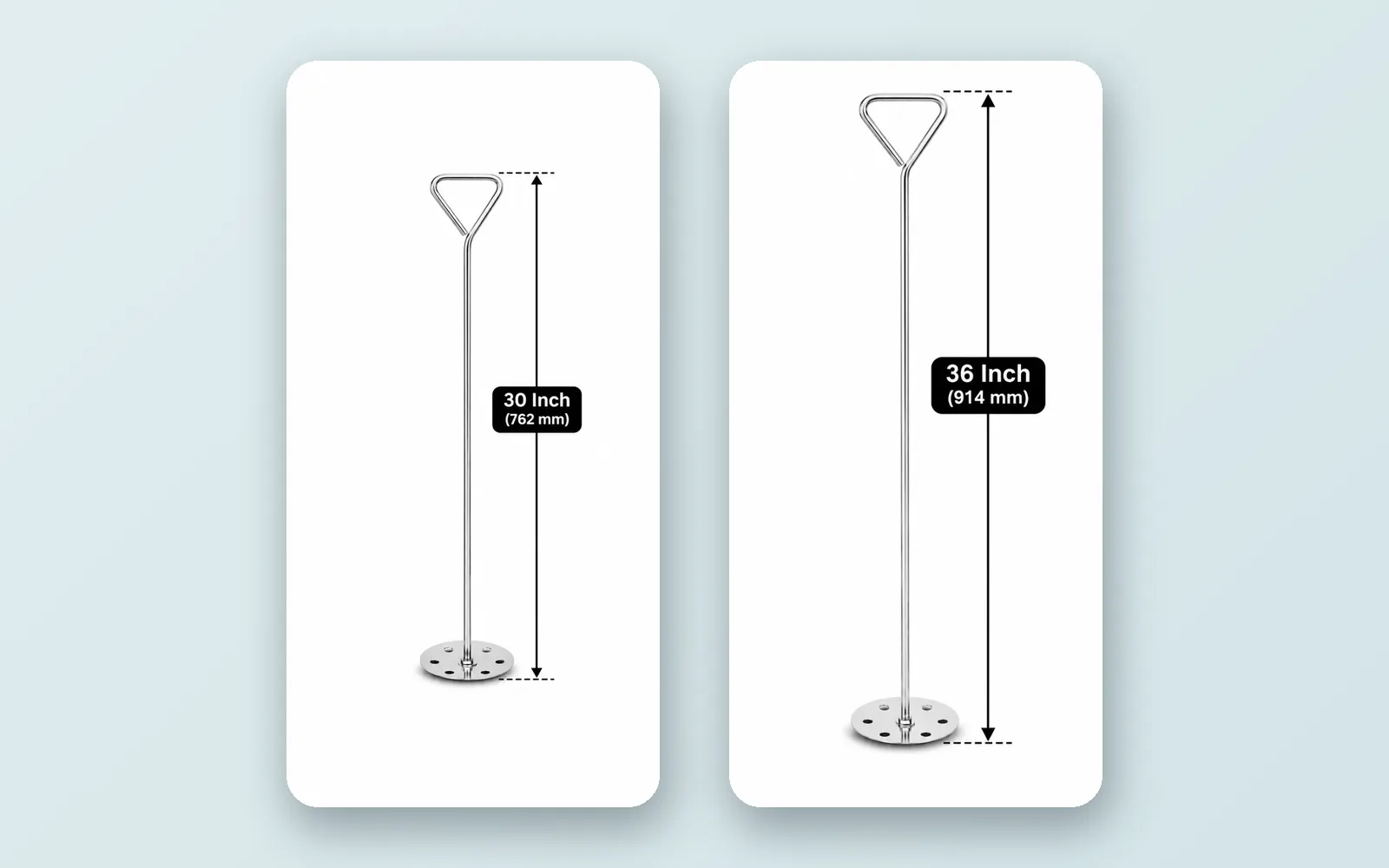
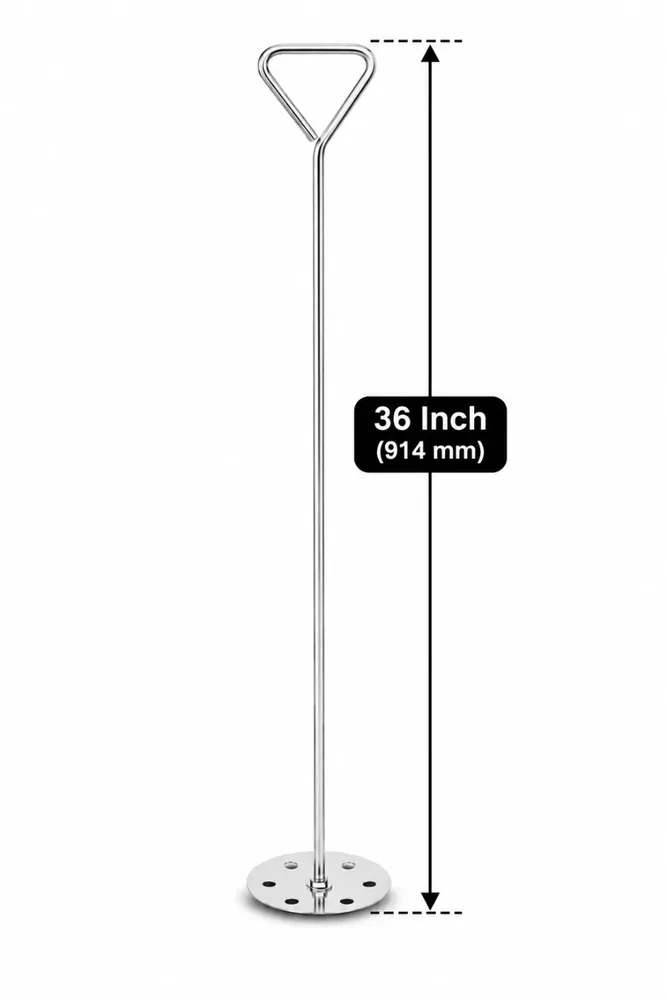
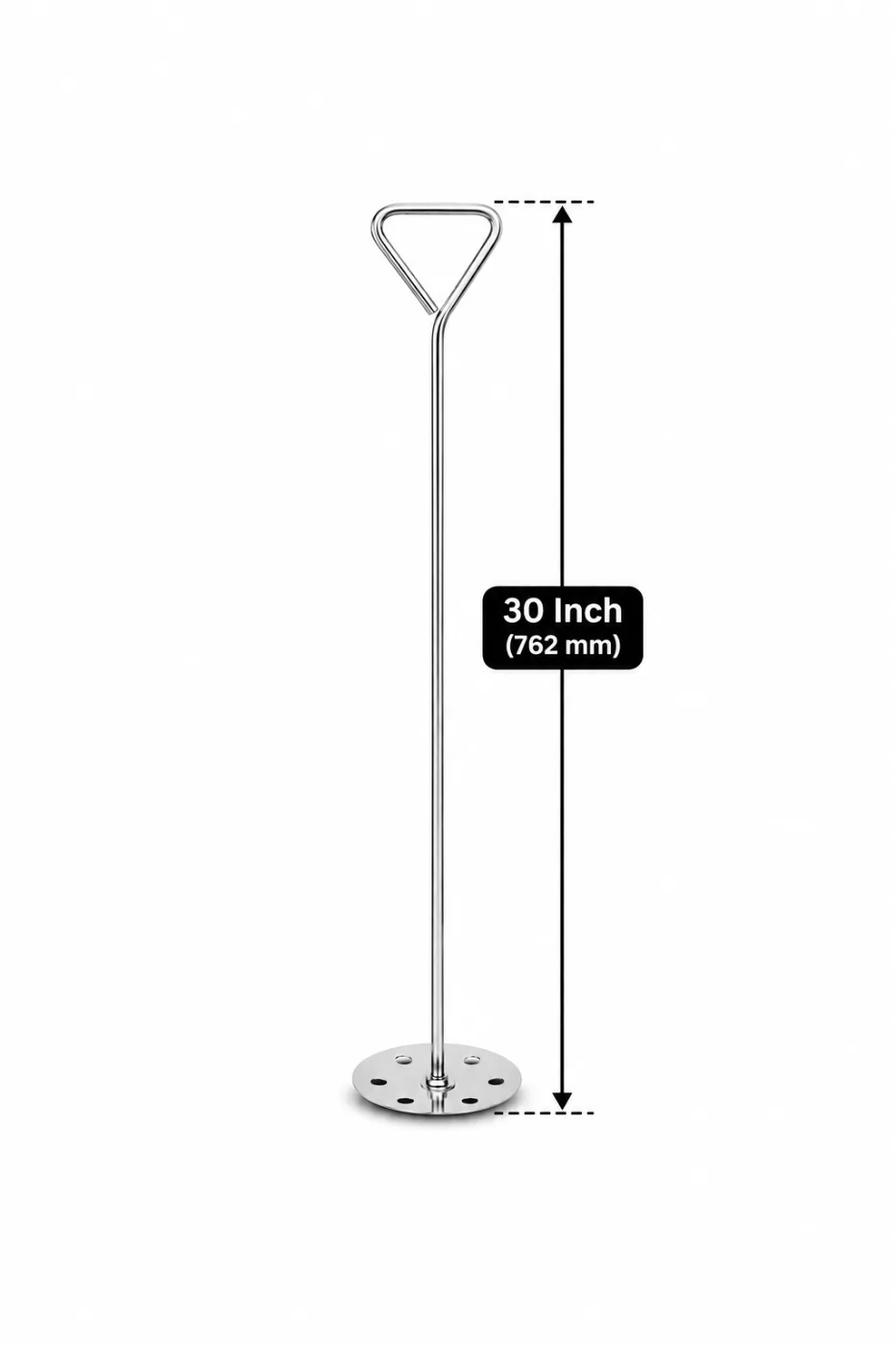
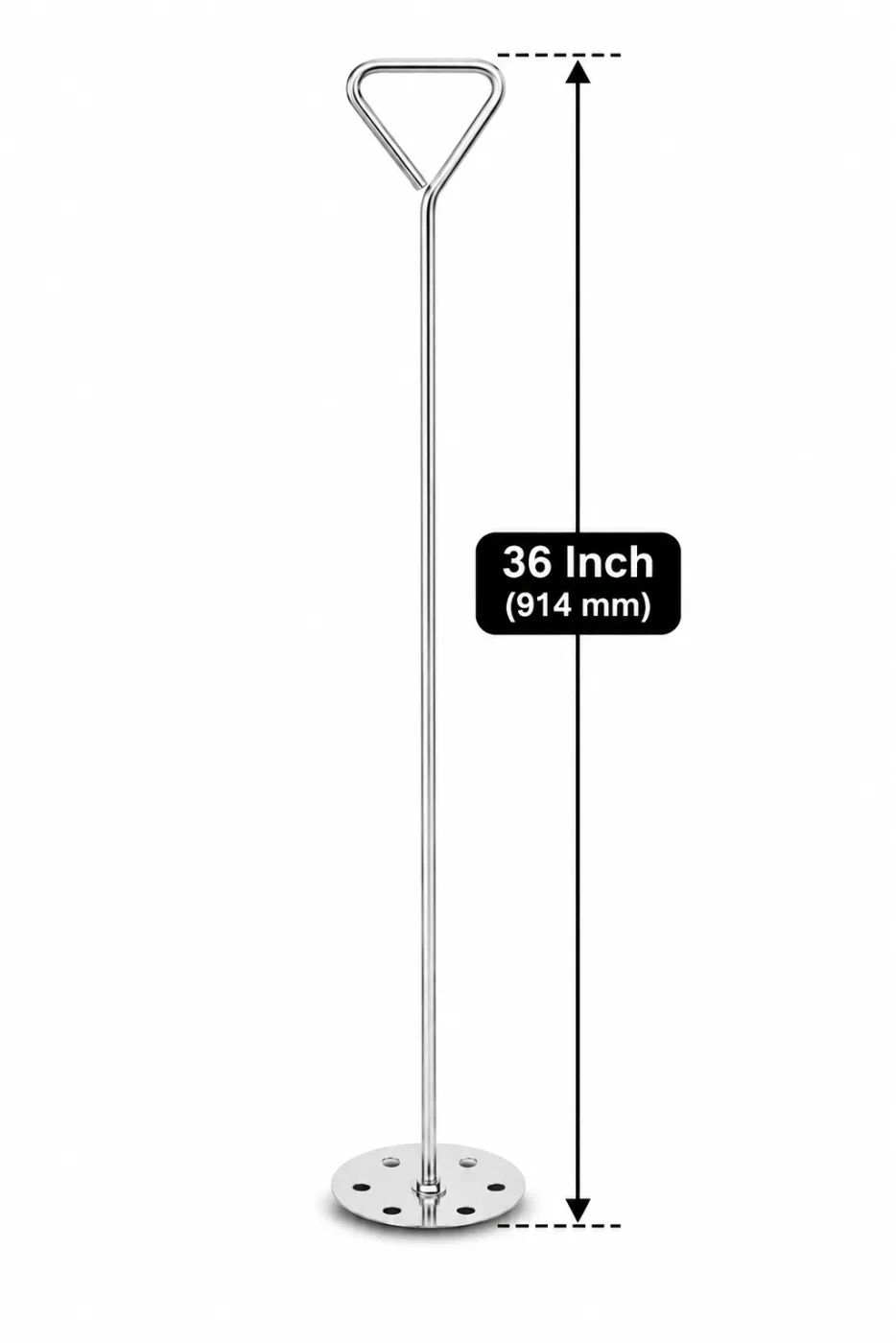
A plunger is a long stainless steel rod with a handle at the top and a perforated disc at the bottom. You move it up and down inside the can so the milk passes through the disc and mixes evenly from top to bottom. It takes a few seconds and needs no lifting.
How to use it correctly
- Remove the lid and make sure the plunger is clean.
- Lower the disc to the bottom of the can.
- Move the plunger smoothly up and down several times (about 10 to 15 strokes is typical), keeping the disc below the surface.
- Avoid fast or violent strokes: froth and air in the milk affect both the sample and the measured quantity.
- Take the sample straight away, before the cream starts to rise again.
- Wash and dry the plunger after use.
Choosing the right length
- 30 inch (762 mm) plunger: suits shorter cans.
- 36 inch (914 mm) plunger: suits taller cans where a longer reach is needed.
The disc should touch the bottom of the can, and the handle should stay above the rim so your hand never enters the milk. Check the height of your cans against our milk can size guide.
From sample to fair payment
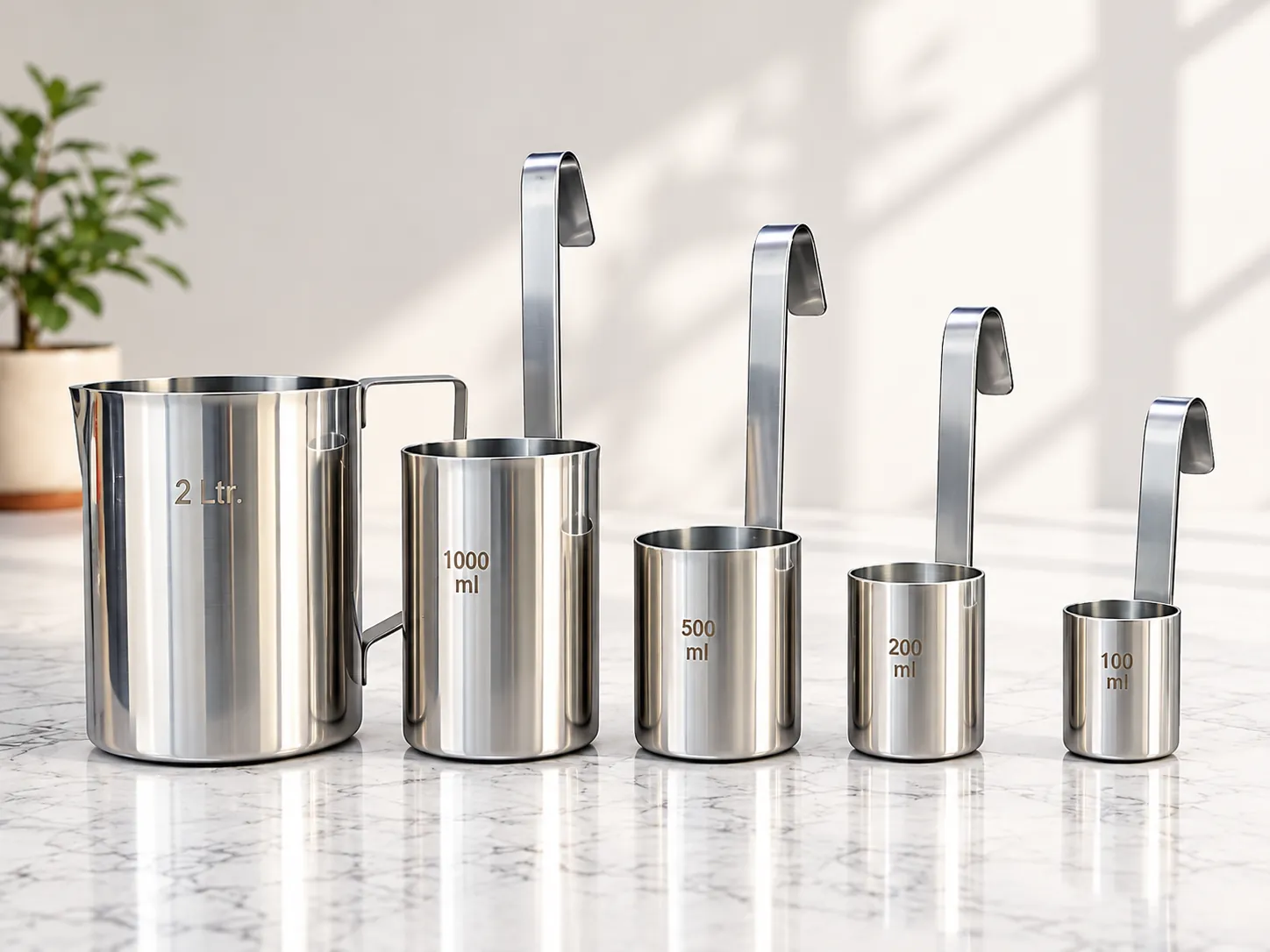
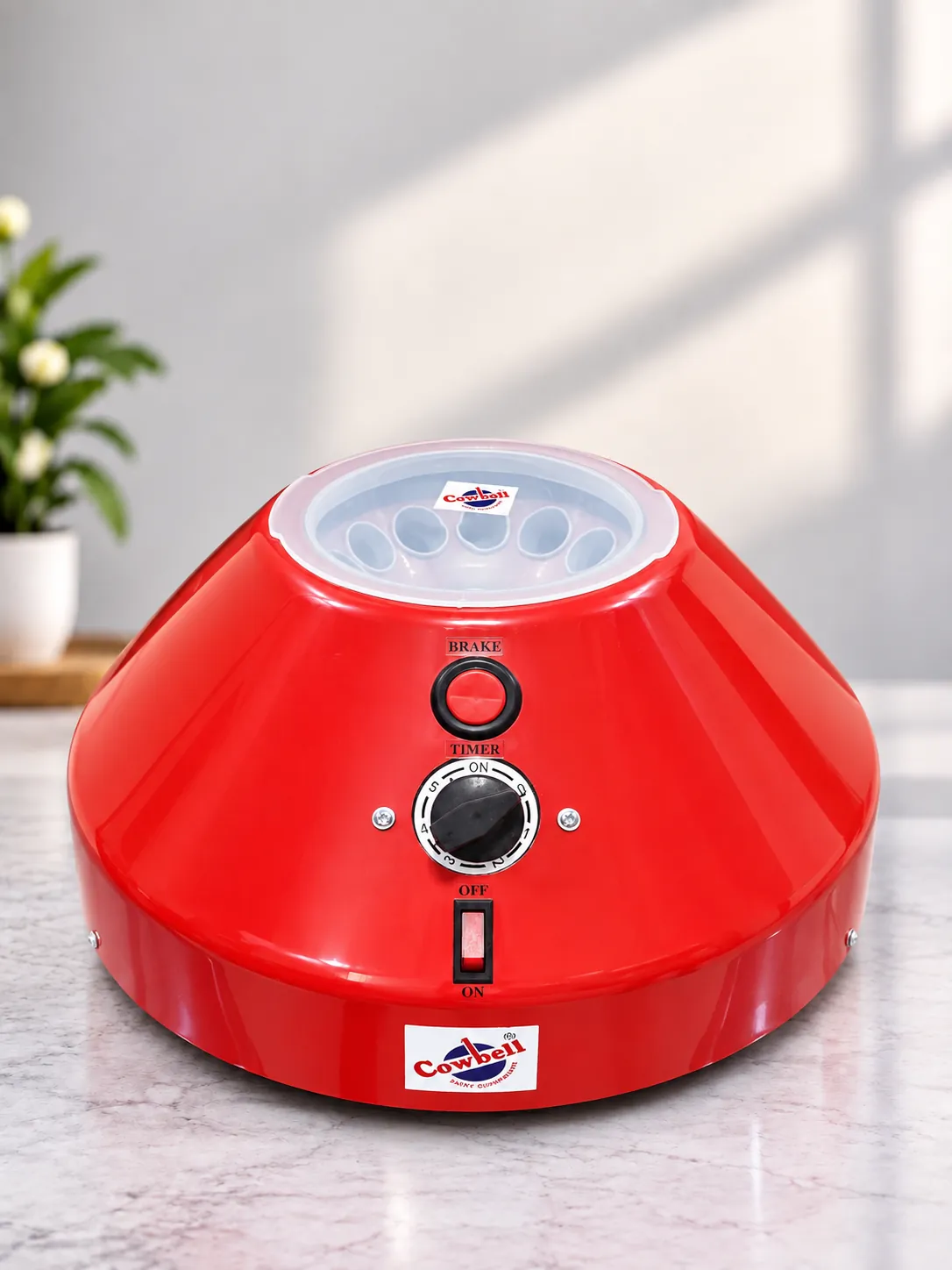
A good sample is the first step of the fat test. Draw it with a clean stainless steel milk measure, then test it on a Gerber centrifuge. Every step, from mixing to testing, should be done the same way for every farmer so that payments are consistent.
Why stainless steel
A plunger touches milk every time it is used. Stainless steel resists corrosion, stays smooth and is easy to wash, so it stays hygienic over years of daily use. All Cowbell steel products are made by Narang Scientific Industries, which has been manufacturing since 1954.
Frequently asked questions
Can I just shake the can instead?
Shaking a full can is hard and spills milk. A plunger mixes the milk evenly while the lid stays off and the can stays on the ground.
Which plunger length do I need?
It should reach the bottom of the can with the handle still above the rim. Measure the inside height of your tallest can before you buy.
Related products
Need a quote or advice?
Tell us your capacity and requirements. Our team will reply with specifications and pricing.