The Gerber method is the everyday way dairies measure fat in milk. Here is the routine, the safety points and how a good centrifuge makes the result reliable.
Every litre of milk that reaches a collection centre is paid for according to its fat content. That makes the fat test one of the most important jobs in the dairy chain, and the Gerber method remains the most widely used way to do it. This guide explains the routine in plain steps. Always follow the written standard method used by your dairy, because exact quantities and timings can vary.
What you need
- A Gerber centrifuge (see our 8-test Gerber centrifuge, 12-test Gerber centrifuge or 24-test Gerber centrifuge).
- Gerber butyrometers (the graduated test tubes) with lock stoppers.
- Sulphuric acid of the strength specified for the test and amyl alcohol.
- Calibrated pipettes or dispensers, a water bath and a stopper key.
- Gloves, safety glasses and a clean, well-ventilated bench.

The test, step by step
- Add the acid. Measure the sulphuric acid into the butyrometer first. Handle it slowly and carefully.
- Add the milk. Mix the sample well, then run the measured milk gently down the side of the tube so it floats on the acid instead of mixing at once.
- Add amyl alcohol. Add the measured amount of amyl alcohol on top.
- Close and shake. Fit the stopper firmly, then shake and invert the tube until the curd has fully dissolved. The tube gets hot, so hold it with a cloth.
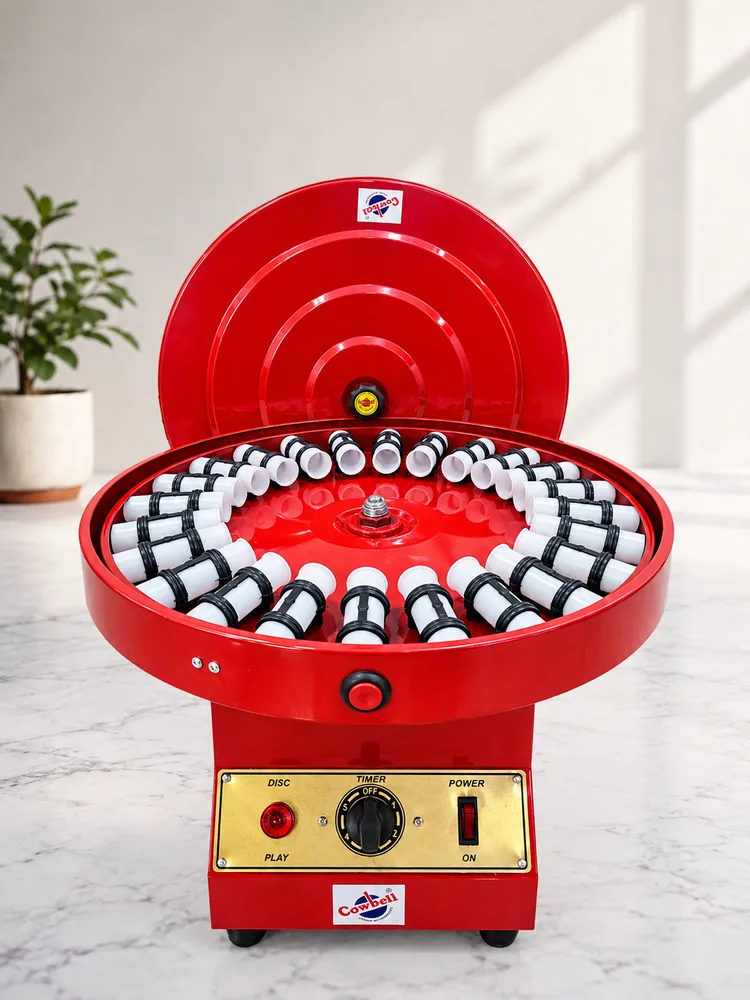
- Load the centrifuge. Place the tubes in the rotor with the stopper end outward and the load balanced in opposite pairs.
- Spin. Close the cover and run the machine for the time set in your standard method. A built-in timer stops it at the right moment.
- Warm and read. Place the tubes in the water bath for the stated time, then read the fat column on the scale at eye level.
Why the centrifuge matters
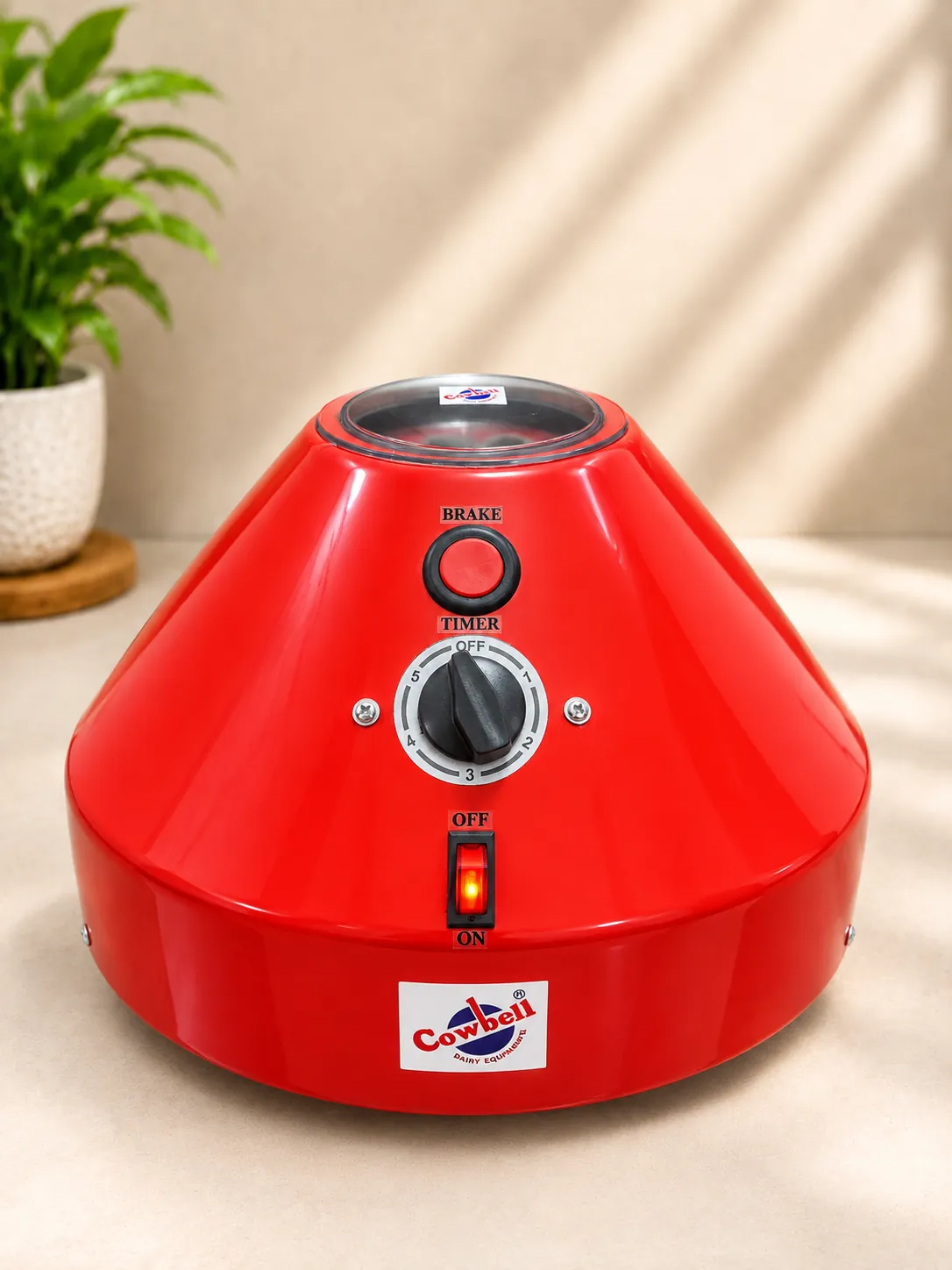
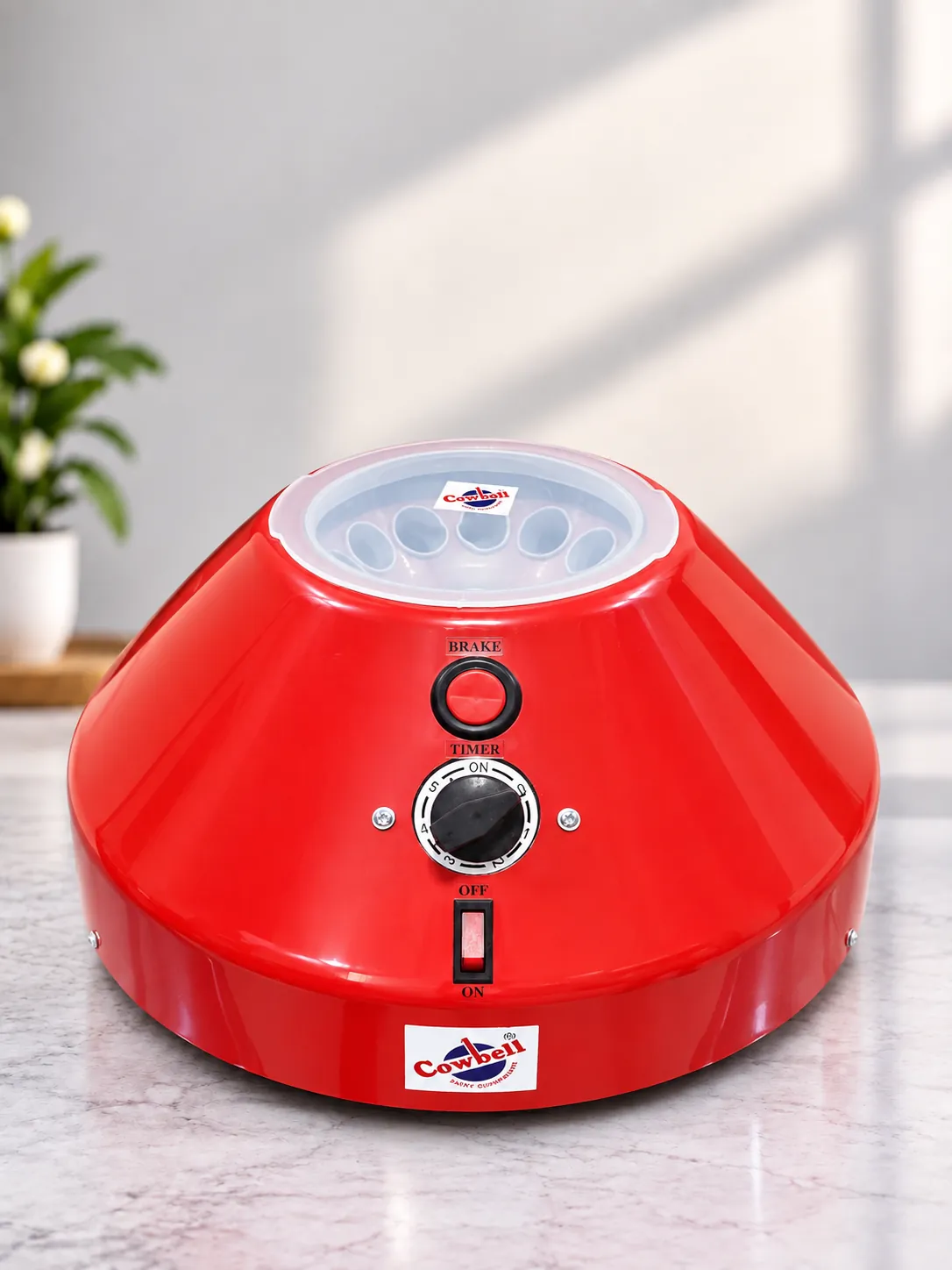
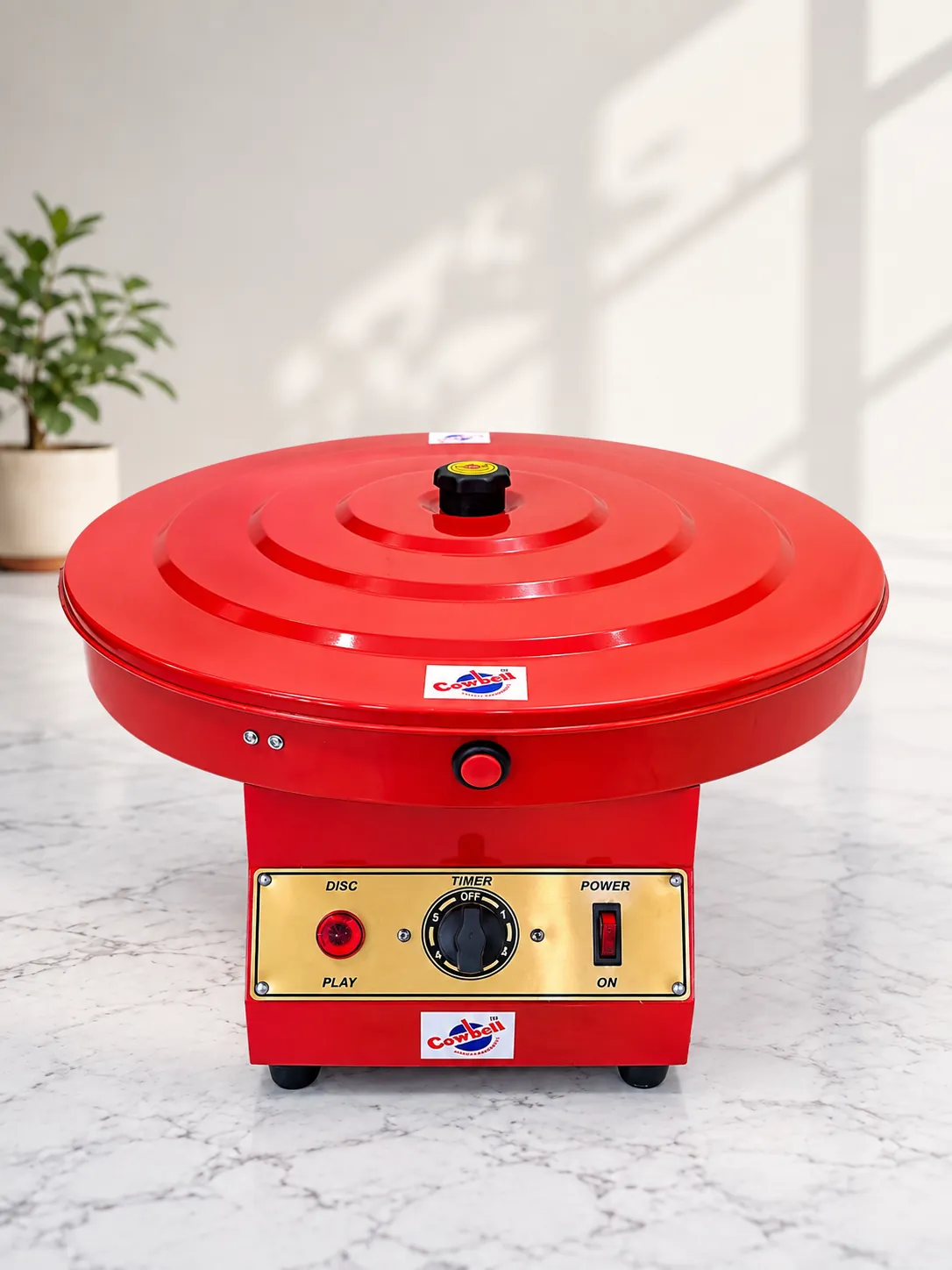
Even a perfect routine gives poor results on a poor machine. Look for a rotor that runs smoothly without wobble, a brake that stops the spin quickly, a timer so every batch is spun for the same time, and a cover that protects the operator. Cowbell Gerber centrifuges are built with these features in mind: the 8-test model has a brake, auto timer, acrylic cover and on/off switch, and the 24-test model adds acid-proof plastic clamps, an extra housing cover and anti-vibration rubber pads for smooth running.
Safety and care
- Never open the cover until the rotor has fully stopped.
- Wipe up acid spills at once and keep the machine clean and dry.
- Keep the rotor balanced every time, even for a single test.
- Have the speed and timer checked regularly so results stay consistent.
The Cowbell choice
If you are setting up or replacing equipment, a Cowbell Gerber centrifuge gives you a portable, electrically operated machine in 8, 12 or 24 test capacity, made by a dairy equipment manufacturer trusted since 1954. Not sure which size you need? Read our guide to choosing between the 8, 12 and 24 test models.
Frequently asked questions
What does a Gerber centrifuge measure?
It spins sealed Gerber tubes so the fat separates into a clear column that can be read on the scale of the tube. This gives the fat percentage of the milk.
Why must the tubes be balanced?
An unbalanced load makes the machine vibrate and can damage the rotor or crack a tube. Always place tubes in opposite pairs, using a water-filled tube as a dummy if you have an odd number.
Which reagents does the Gerber method use?
Sulphuric acid and amyl alcohol. Both must be handled with care and measured exactly as set out in your dairy or national standard method.
Related products
Need a quote or advice?
Tell us your capacity and requirements. Our team will reply with specifications and pricing.