A simple comparison of manual and electric cream separators to help you choose for your home, farm or dairy.
A cream separator splits whole milk into cream and skim milk using centrifugal force. The two main types are hand-operated and electrically operated machines.
Hand-operated separators
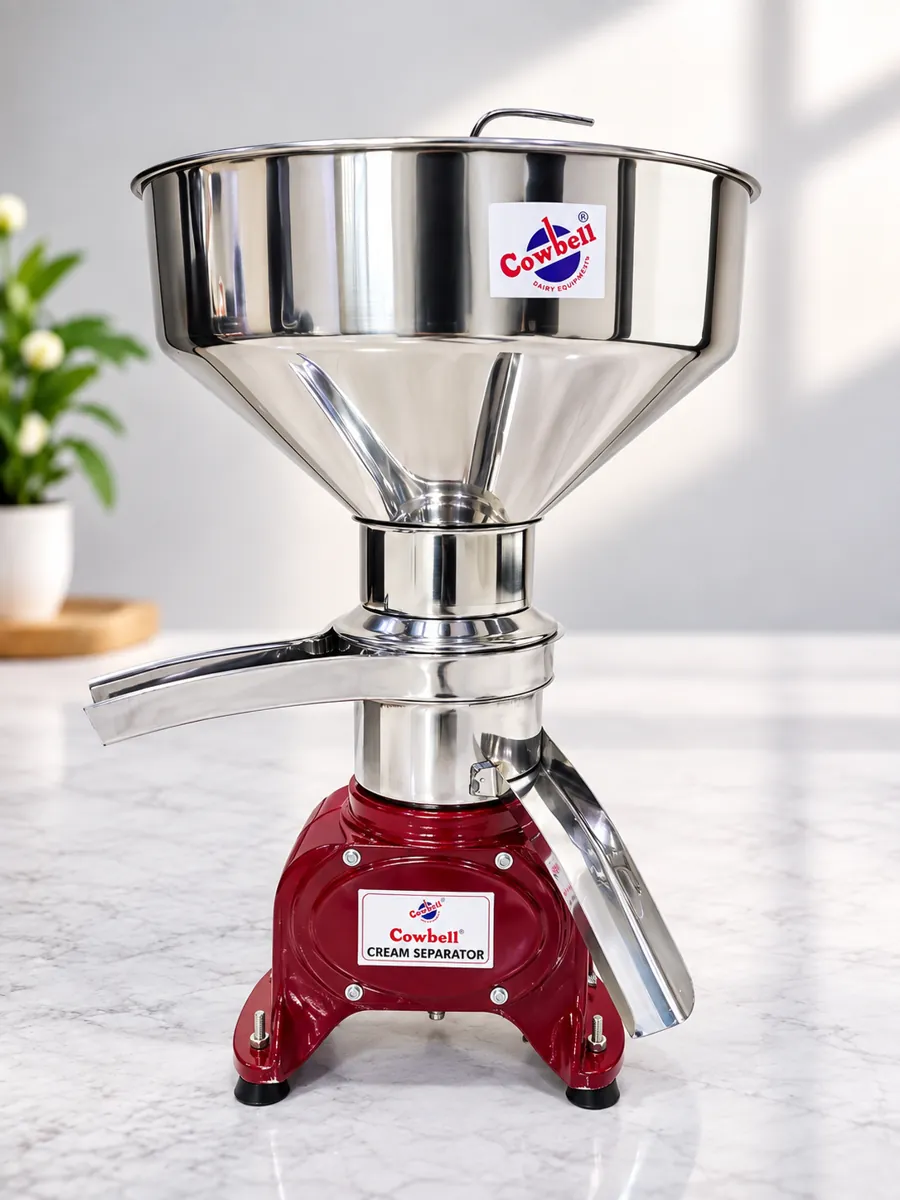
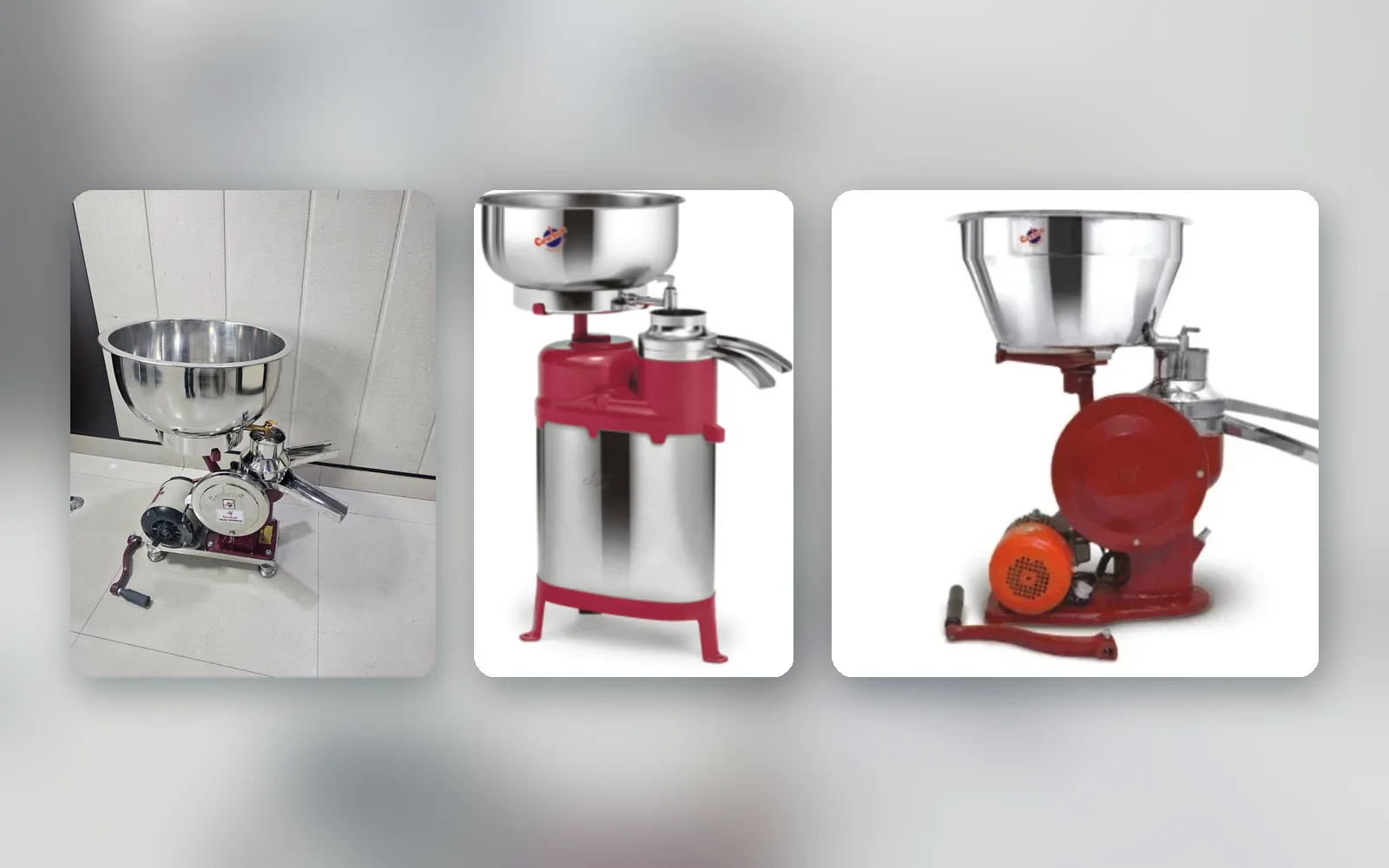
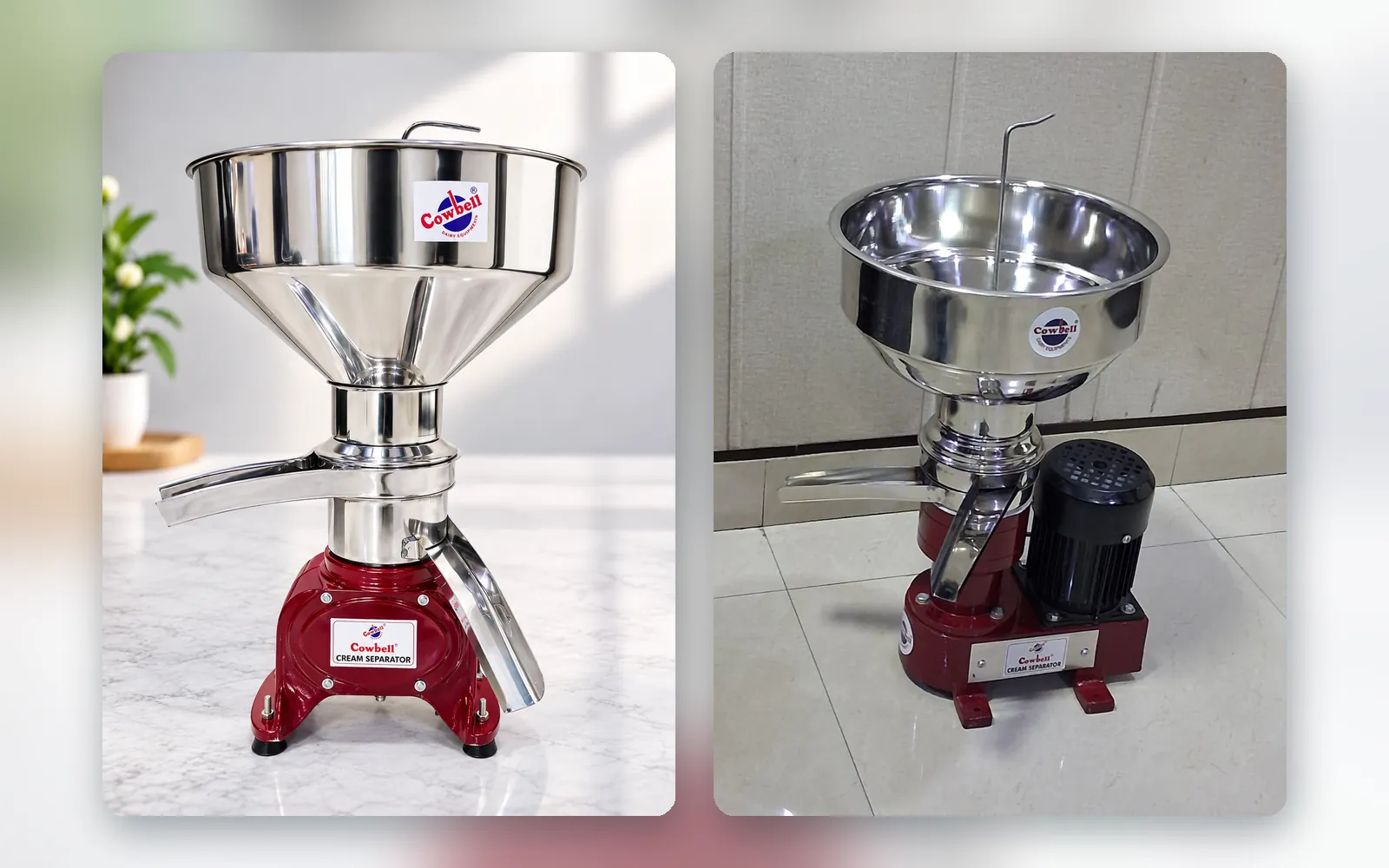
The 60 LPH hand-operated separator holds about 8 litres of milk in its tank and runs on a crank handle. It suits households, kitchens and small farms. It is simple, economical and works anywhere, even without power.
Electric separators
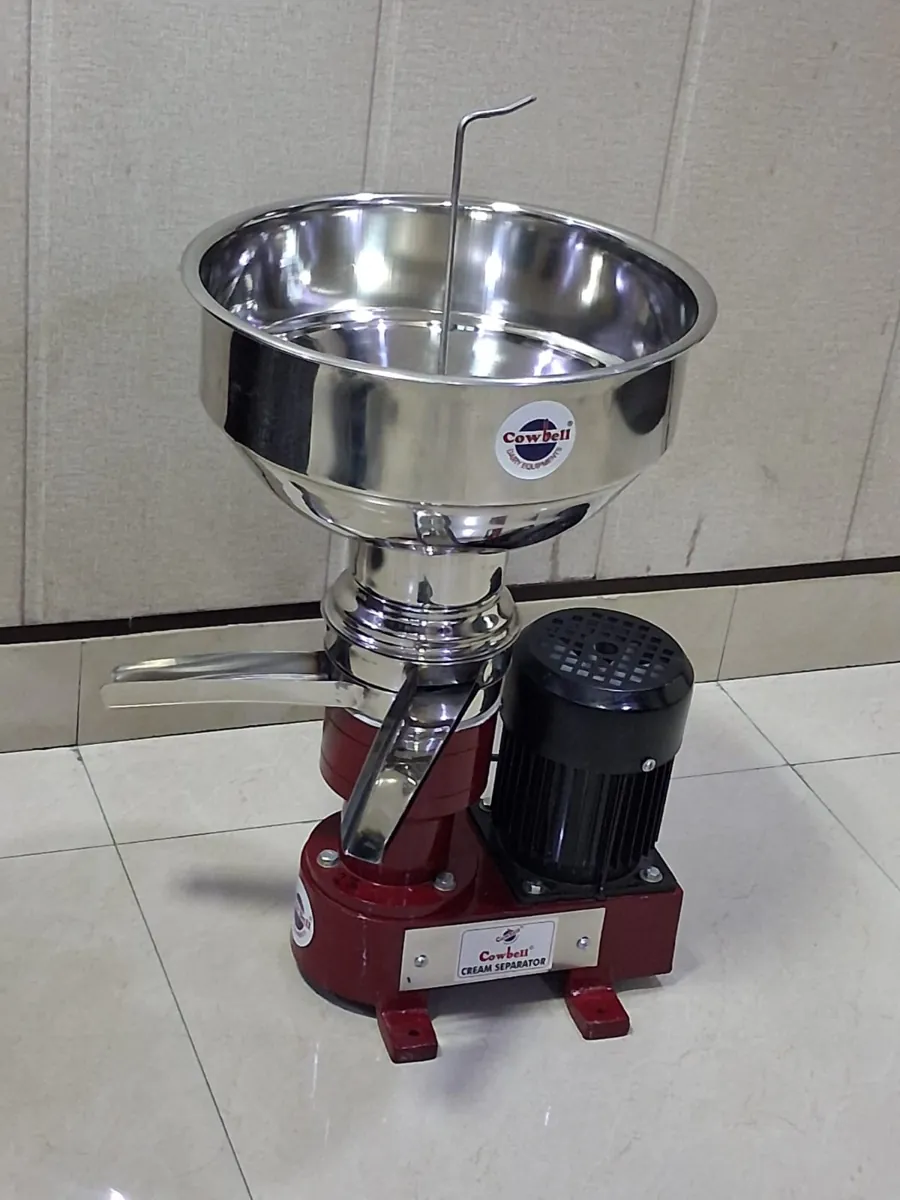
Electric models such as the 60 LPH and 100 LPH run on a motor, so the bowl spins at a steady speed. That gives more consistent separation and saves effort when you separate every day.
The middle option
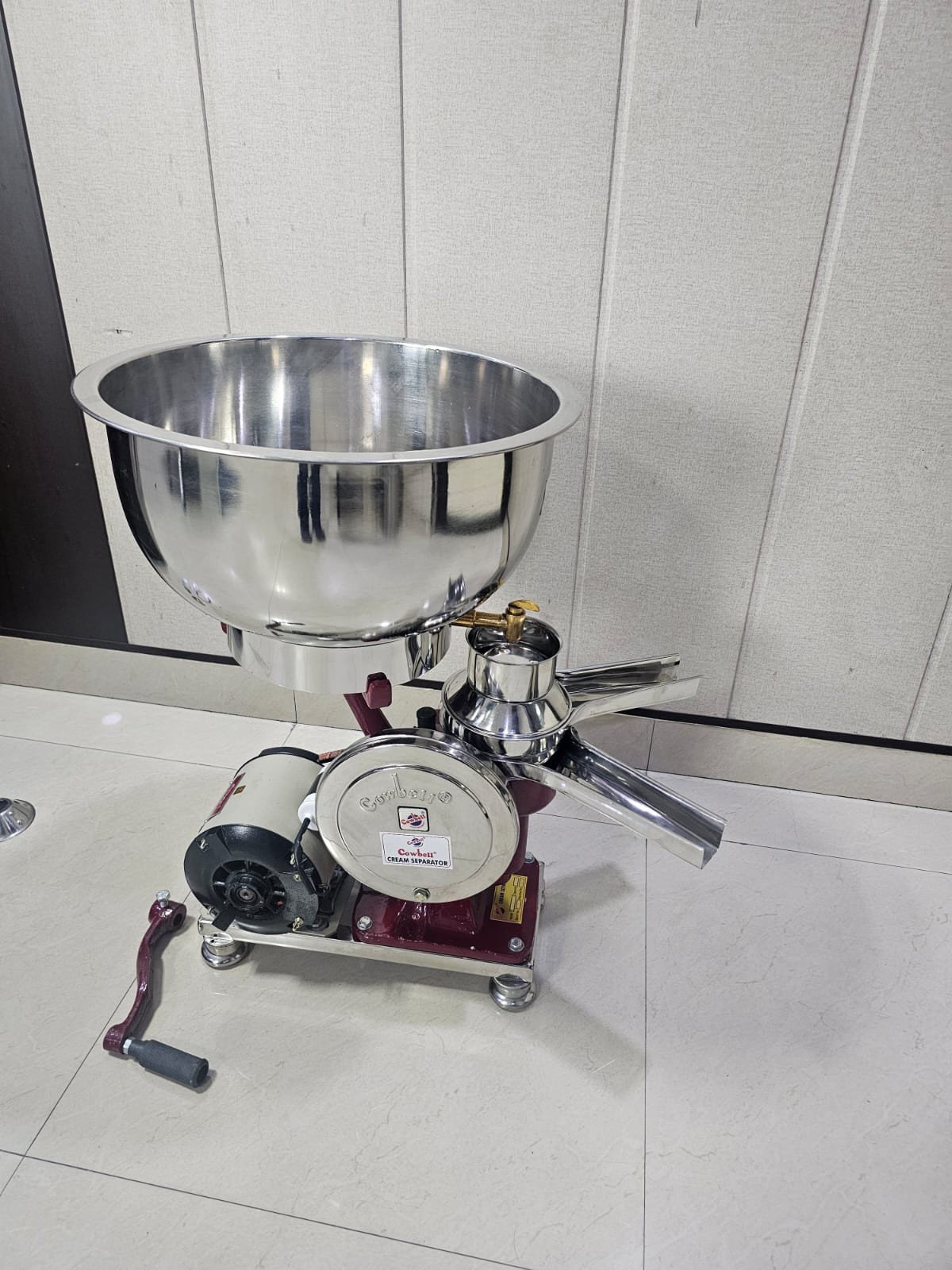
The 165 LPH hand-cum-electric separator can be run by motor or by hand, which is useful where electricity supply is irregular.
Quick decision guide
- Occasional use, no power: hand-operated.
- Daily use, more milk: electric.
- Unreliable power: hand-cum-electric.
Frequently asked questions
How does a cream separator work?
A fast-spinning bowl uses centrifugal force to push heavier skim milk outward while the lighter cream moves toward the centre, so the two flow out through separate spouts.
Can I use an electric separator with 110 V or 220 V supply?
Cowbell electric models list both 220–230 V 50 Hz and 110 V 60 Hz power sources. Always confirm the voltage before ordering.
Related products
Need a quote or advice?
Tell us your capacity and requirements. Our team will reply with specifications and pricing.